


IIT-AIIMS Team Develops AI Tool to Enhance Childhood Malnutrition Detection
The team introduced DomainAdapt, a multitask learning framework that dynamically adjusts task weights using domain knowledge and mutual information.
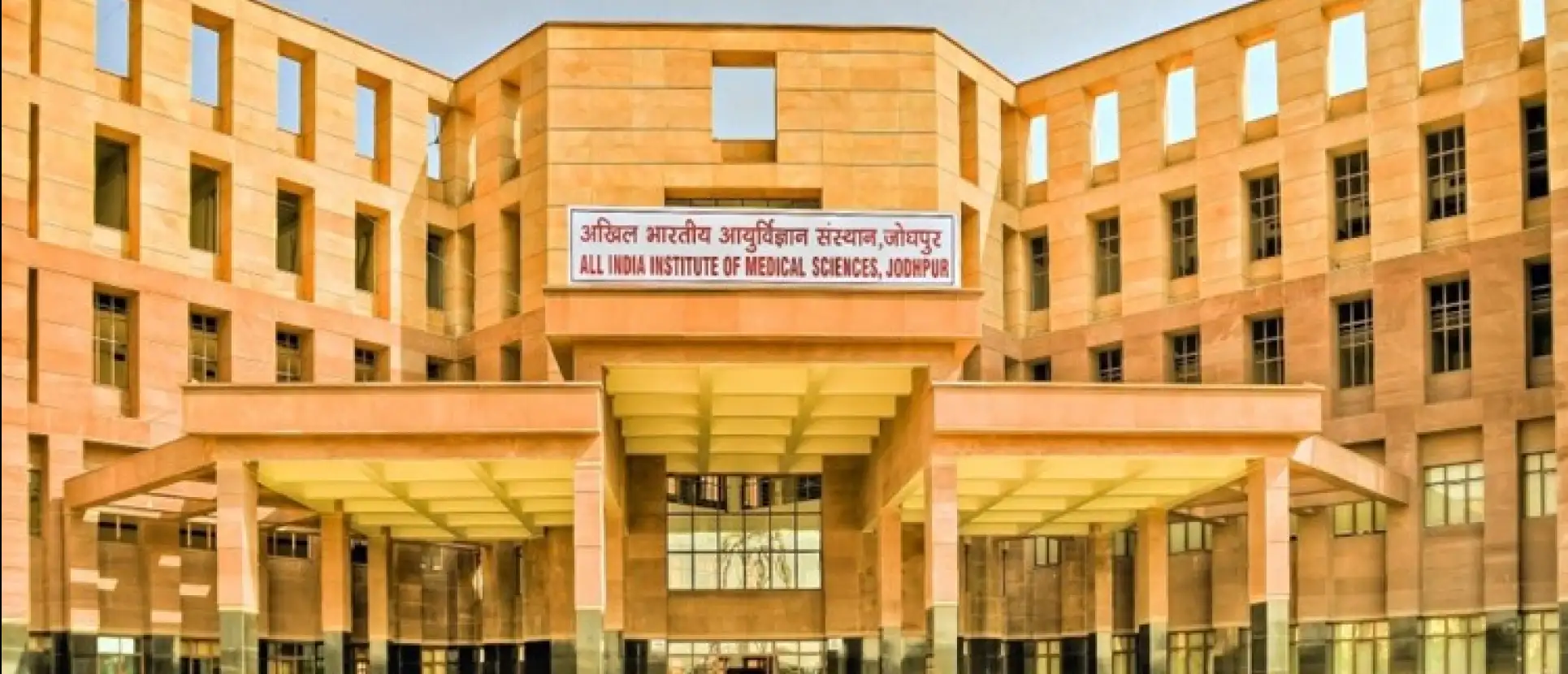
Researchers at the Indian Institute of Technology (IIT) and AIIMS Jodhpur have developed an artificial intelligence (AI)-based framework to improve the detection of childhood malnutrition.
The study, published in the open-access journal MICCAI, aims to address the challenge of accurately and efficiently assessing stunting, wasting, and underweight conditions in children.
The team introduced DomainAdapt, a multitask learning framework that dynamically adjusts task weights using domain knowledge and mutual information. The system predicts key anthropometric measures, height, weight, and mid-upper arm circumference (MUAC), while simultaneously classifying malnutrition-related conditions. Traditional screening methods are limited by subjectivity, time-intensive measurements, and low scalability.
“By simply capturing photos of a child, our framework can estimate nutritional status without the need for complex and time-consuming anthropometric measurements,” said Misaal Khan, doctoral student in medical technology at IIT-AIIMS, who led the study. “This makes malnutrition screening faster, more accessible, and highly scalable, especially in resource-limited settings.”
A key element of the research is AnthroVision, a dataset comprising 16,938 multi-pose images from 2,141 children collected in both clinical settings at AIIMS Jodhpur and community settings in government schools across Rajasthan. The dataset includes diverse backgrounds, clothing, and lighting conditions, providing a robust resource for automated child health assessment.
Through extensive experimentation, DomainAdapt demonstrated notable improvements over existing multitask learning methods, offering a reliable AI-driven solution for accelerated malnutrition detection.
“This research represents a vital step toward equitable healthcare access,” Khan added. “By blending AI and domain expertise, we can empower healthcare workers and public health systems with tools that are cost-effective, accurate, and scalable.”
Stay tuned for more such updates on Digital Health News
Follow us