GE HealthCare, Mayo Clinic Launch GEMINI-RT to Advance Personalized Radiation Therapy
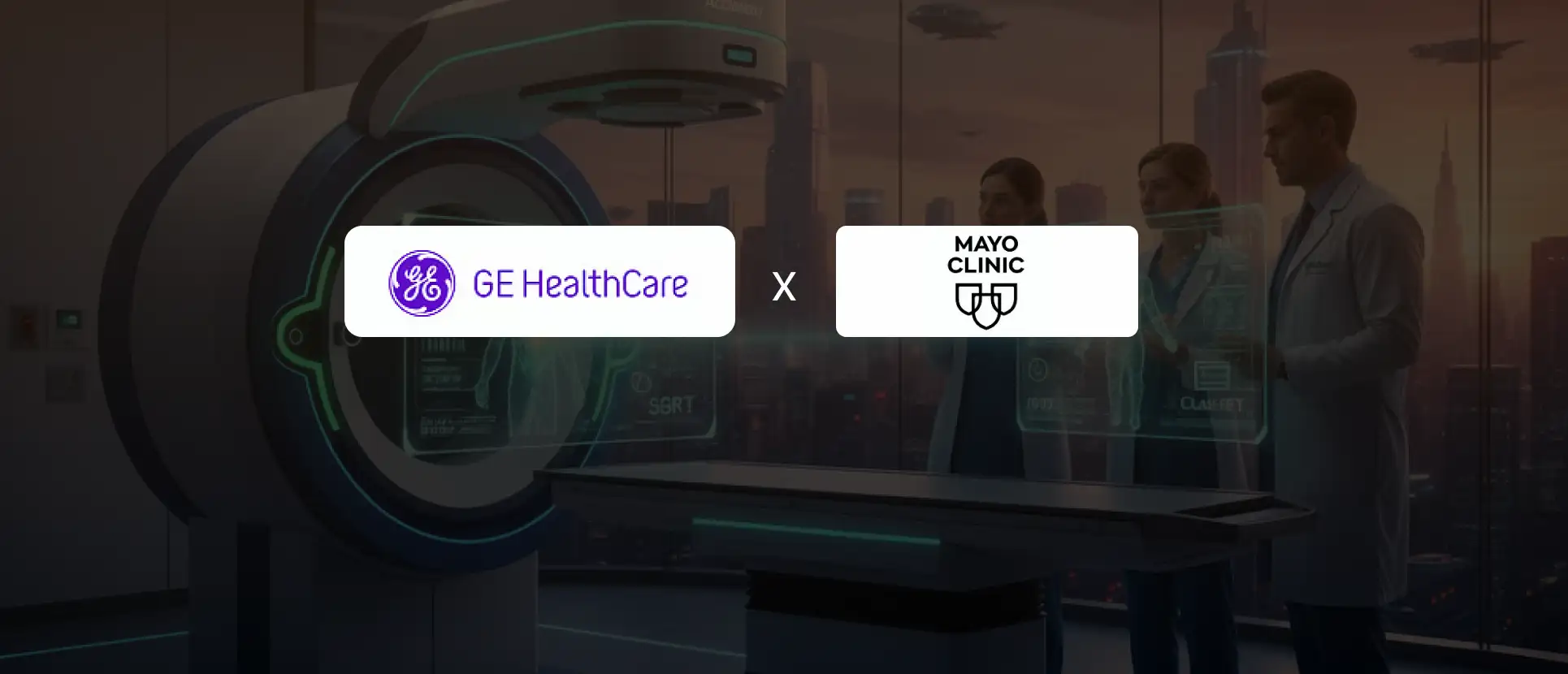
The initiative builds upon the organization’s ongoing radiology research partnership, established in 2023.
GE HealthCare and Mayo Clinic have launched a major research collaboration, GEMINI-RT, to accelerate innovation in personalized radiation therapy by integrating imaging, AI-driven automation, predictive oncology, and outpatient monitoring across the cancer care pathway.
The initiative builds upon the organization’s ongoing radiology research partnership, established in 2023.
Announced in Chicago, GEMINI-RT aims to strengthen clinical decision-making and streamline workflows in radiation oncology by combining Mayo Clinic’s clinical and research expertise with GE HealthCare’s engineering and technology capabilities. The program will explore new methods to unify imaging, advanced therapies, dosimetry, and patient monitoring from diagnosis through follow-up.
Radiation therapy remains a core component of global cancer treatment, used in more than half of cancer cases worldwide and for over two million patients in the U.S. each year. With cancer incidence rising globally—19.3 million new cases reported in 2022—the collaboration seeks to expand access to more personalized, data-driven radiation therapy models.
“GEMINI-RT is grounded in the concept of ‘twinning the patient, personalizing the beam,’ enabled by extensive clinical expertise and outcomes data,” said Bryan Traughber, M.D., vice chair, innovation for radiation oncology, Mayo Clinic. He noted that advanced modeling tools could support treatment plans tailored to individual patient trajectories.
The initiative will advance research across four defined pillars:
Automation: Developing AI-powered tools to reduce repetitive tasks and speed up treatment planning.
Predictive Oncology: Using clinical insights and data models to support more precise treatment decisions.
Multi-modal Therapies: Studying approaches that integrate radiation therapy with targeted drugs, precision heating, and other emerging modalities.
Connected Care: Leveraging sensors, biomarkers, and AI tools to monitor patients outside clinical settings and detect complications earlier.
“This effort enables us to collaborate on solutions that are both leading-edge and clinically meaningful,” said Dr. Ben Newton, Global Head of Oncology, GE HealthCare. He added that applying AI and digital tools across the care continuum may also improve clinician experience and lighten workload pressures.
GEMINI-RT research activities will be centered at Mayo Clinic’s Rochester, Minnesota campus. The initiative builds on existing joint projects in magnetic resonance technologies, theranostics, and diagnostic and interventional ultrasound.
Stay tuned for more such updates on Digital Health News
Follow us