Chip Innovation Paves Way for Smarter Portable Self-Diagnostic Medical Devices
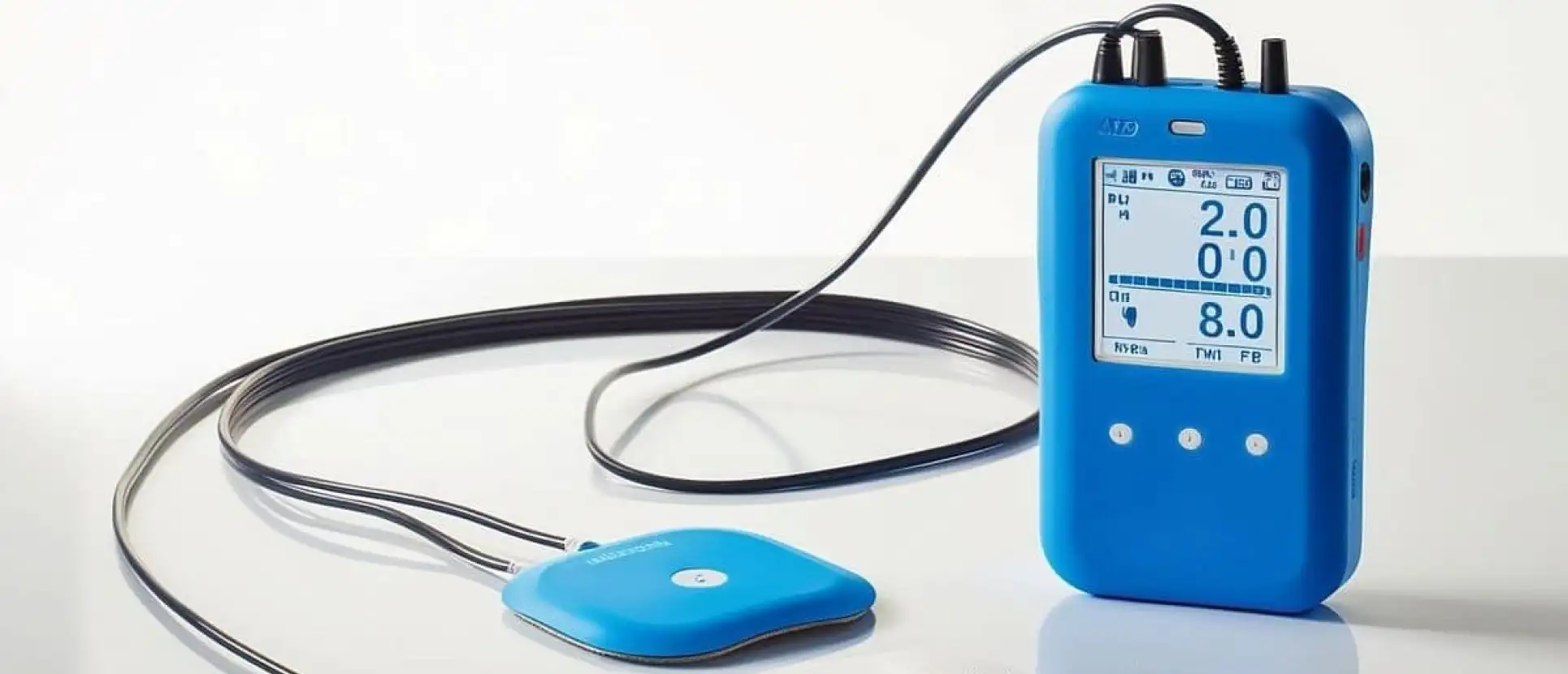
The IISc-developed chip performs real-time biomedical signal processing directly on-device, improving speed, accuracy, and energy efficiency in portable self-diagnostic tools.
Researchers at the Indian Institute of Science (IISc), Bengaluru, have developed a new semiconductor chip designed for use in portable medical devices, opening the door to more accurate and energy-efficient self-diagnostic applications.
The innovation stems from ongoing work in nanoelectronics and low-power biomedical circuitry, positioning the team to support next-generation consumer and clinical monitoring technologies.
The chip enables real-time biomedical signal processing directly on the device, eliminating the need for bulky lab systems or cloud-based computation.
Members of the research team noted that the design supports multiple diagnostic applications, including glucose monitoring, ECG evaluation, and oxygen saturation assessment.
Professor David J. Garrett, Director, Centre for Nano Science and Engineering (CeNSE), IISc Bengaluru, said that the goal was to engineer a platform capable of delivering high-quality diagnostic insights in compact, battery-powered devices. “Portable medical systems need to be fast, reliable and power-efficient, especially for self-diagnostic use. This chip was designed to meet that need,” he said.
Leading the design effort, Dr. Ananya Roy, Research Lead, IISc, emphasized the importance of balancing computational performance with energy efficiency to ensure continuous device operation. “People expect medical devices to work anywhere and at any time - without compromising accuracy,” Roy said.
The chip’s architecture allows high-resolution physiological data to be captured and processed internally, safeguarding patient privacy and ensuring fast diagnostic output even in areas with limited connectivity.
Industry analysts believe the innovation has strong commercial potential as global demand rises for decentralized and real-time health monitoring solutions.
Device manufacturers are already exploring ways to integrate the chip into existing platforms to enhance diagnostic accuracy and efficiency.
Over the past two years, iterative testing has refined the chip’s stability and ensured that it performs reliably across varied environmental and usage conditions.
Stay tuned for more such updates on Digital Health News
Follow us