China Clears World’s First Commercial Brain Implant, Putting NEO Ahead of Elon Musk’s Neuralink
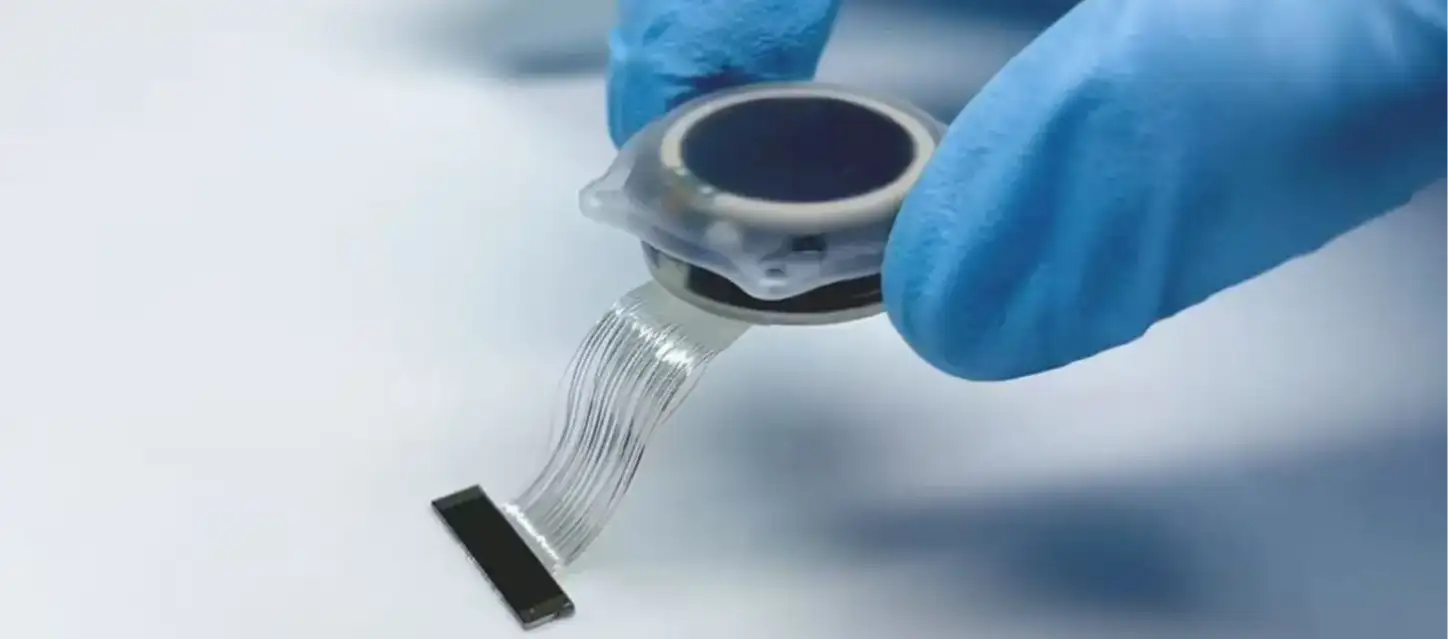
NEO, the coin-sized implant, uses eight sensors that are placed on the dura mater, the protective membrane surrounding the brain, capturing neural signals and converting them into commands.
China has become the first country to approve an invasive brain-computer interface commercially, authorizing the use of NEO, a coin-sized implant designed to help people with paralysis regain hand movement.
Developed by Shanghai-based NeuraMatrix in collaboration with Tsinghua University researchers, the device has reached the market before Elon Musk’s Neuralink, signalling a significant development in the global race to advance brain-computer interface technology.
NEO, the coin-sized implant, uses eight sensors that are placed on the dura mater, the protective membrane surrounding the brain.
Unlike Neuralink’s N1 implant, which inserts electrode threads directly into brain tissue, NEO remains above the membrane, reducing the risk of bleeding, tissue damage, and long-term scarring.
The device captures neural signals and transmits them to a computer, which interprets the signals and converts them into commands. These commands can then control a robotic glove, allowing users to perform tasks such as grasping objects, holding utensils, or writing.
Early clinical experiences have demonstrated the technology’s potential to restore a degree of independence to individuals with severe mobility impairments.
One participant in the clinical program, Dong Hui, who became paralyzed following a car accident, reportedly regained the ability to hold a pen and write his name after undergoing implantation and rehabilitation.
Following approval, NEO was also assigned a code within China’s health insurance system, a step that could support future reimbursement and wider adoption.
Meanwhile, Elon Musk’s Neuralink continues to conduct human trials in the United States. The company has demonstrated the ability of users to control computer cursors, browse the internet, and play games using thought alone.
However, Neuralink has not yet received commercial approval from the U.S. FDA, meaning its technology remains available only through clinical research programs.
Stay tuned for more such updates on Digital Health News
Follow us