AI-Enabled Digital Stethoscope Doubled Valvular Heart Disease Detection: Study
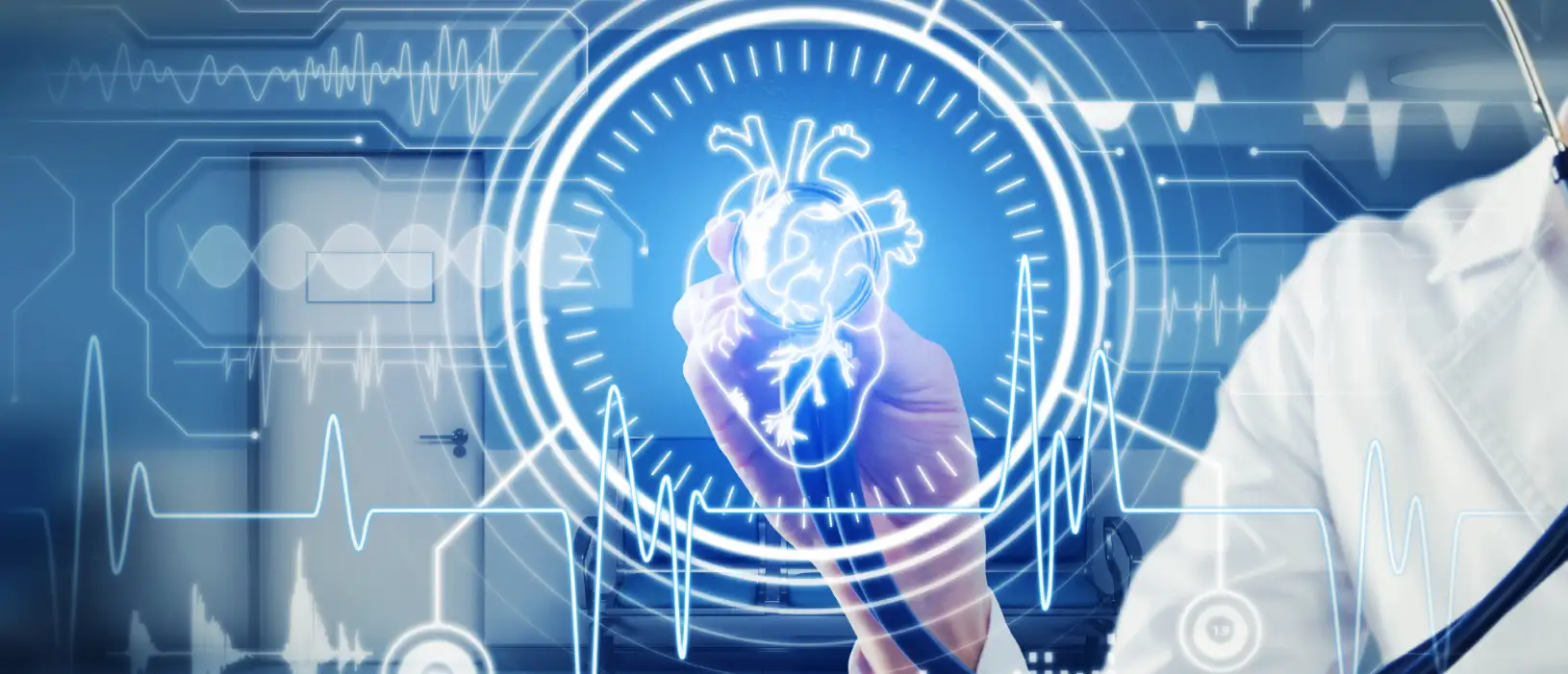
Researchers found that the AI tool achieved a sensitivity rate of 92.3% in identifying clinically significant VHD, compared to 46.2% sensitivity with conventional stethoscope examinations.
An artificial intelligence–enabled digital stethoscope demonstrated significantly higher accuracy than traditional stethoscope exams in detecting valvular heart disease (VHD), according to a new study published in European Heart Journal – Digital Health.
The U.S.-based study evaluated 357 patients aged 50 years and older across three primary care settings, comparing standard auscultation with assessments performed using an AI-enabled digital stethoscope. Researchers found that the AI tool achieved a sensitivity rate of 92.3% in identifying clinically significant VHD, compared to 46.2% sensitivity with conventional stethoscope examinations.
The findings suggest that nearly half of significant valvular heart disease cases may currently be missed during routine primary care visits when relying solely on traditional auscultation. Valvular heart disease affects more than 50% of adults over the age of 65, yet early symptoms are often non-specific, making detection challenging in non-specialist settings.
During the trial, each patient underwent two separate examinations—one using a traditional acoustic stethoscope and another using the AI-enabled device. The AI system analyzed recorded heart sounds using machine-learning algorithms trained to detect acoustic patterns associated with valve abnormalities.
Researchers reported that traditional stethoscope exams failed to identify a substantial proportion of patients with moderate to severe disease, while the AI-enabled tool flagged the majority of cases requiring further investigation. The study emphasized that the technology is intended to support, rather than replace, clinical judgment.
Unlike conventional auscultation, the AI-enabled stethoscope captures high-fidelity heart sounds and filters out background noise before analysis. The algorithm evaluates subtle sound variations that may be difficult to detect consistently by human hearing, particularly in busy primary care environments or among clinicians with varying levels of experience.
Importantly, the device does not provide a definitive diagnosis. Instead, it identifies patients who may require confirmatory testing, such as echocardiography, which remains the gold standard for diagnosing valvular heart disease.
Early identification of VHD is considered critical, as delayed diagnosis can lead to progressive heart failure, increased hospitalizations, and higher healthcare costs. The study noted that improved screening at the primary care level could enable earlier referrals and timely intervention, particularly for older adults at higher risk.
The authors highlighted the potential role of AI-enabled diagnostic tools in addressing current screening gaps, especially as aging populations place increasing demands on cardiovascular care services.
Stay tuned for more such updates on Digital Health News
Follow us