AFMS Launches India’s First AI-Driven Community Screening Programme for Diabetic Retinopathy
At the core of the programme is MadhuNetrAI, a web-based artificial intelligence platform developed at the RP Centre, AIIMS, which enables early detection and referral of diabetic eye disease at the community level.
India has launched its first artificial intelligence-driven community screening programme for diabetic retinopathy, led by the Armed Forces Medical Services (AFMS) in collaboration with the Dr Rajendra Prasad Centre for Ophthalmic Sciences at AIIMS and the eHealth AI Unit of the Ministry of Health & Family Welfare.
According to the National Blindness and Visual Impairment Survey 2019, almost 12% of Indians aged 50 years and above suffer from diabetes, and approximately 17% of them have signs of diabetic retinopathy. However, only about 10% of people with diabetes have ever undergone a retinal examination, indicating a big gap in early detection.
At the core of the programme is MadhuNetrAI, a web-based artificial intelligence platform developed at the RP Centre, AIIMS, which enables early detection and referral of diabetic eye disease at the community level.
The system analyses retinal images captured with handheld fundus cameras, allowing for automated screening, grading and triaging.
Trained medical officers, nursing staff and health assistants can carry out the screenings in community settings, thereby allowing artificial intelligence to extend specialist-level assessment beyond hospitals.
The Ministry of Defence refers to this initiative as one major leap toward enhanced early detection of diabetic eye disease and the development of a real-time national health intelligence framework.
In addition to individual screening results, the platform produces live data on the prevalence and distribution of the disease by geography, thereby facilitating evidence-based planning and policy formulation.
During the pilot phase, AFMS would implement the AI-based screening programme across seven locations, Pune, Mumbai, Bengaluru, Dharamshala, Gaya, Jorhat and Kochi, representing metropolitan, rural, hilly, coastal and remote areas.
The district health administration would facilitate referral pathways, integrating the care of diabetic retinopathy into programs that deal with other non-communicable diseases for the assurance of continuity of care.
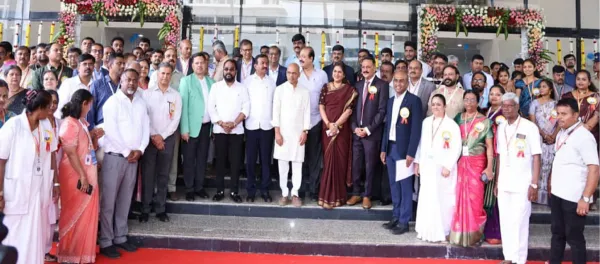
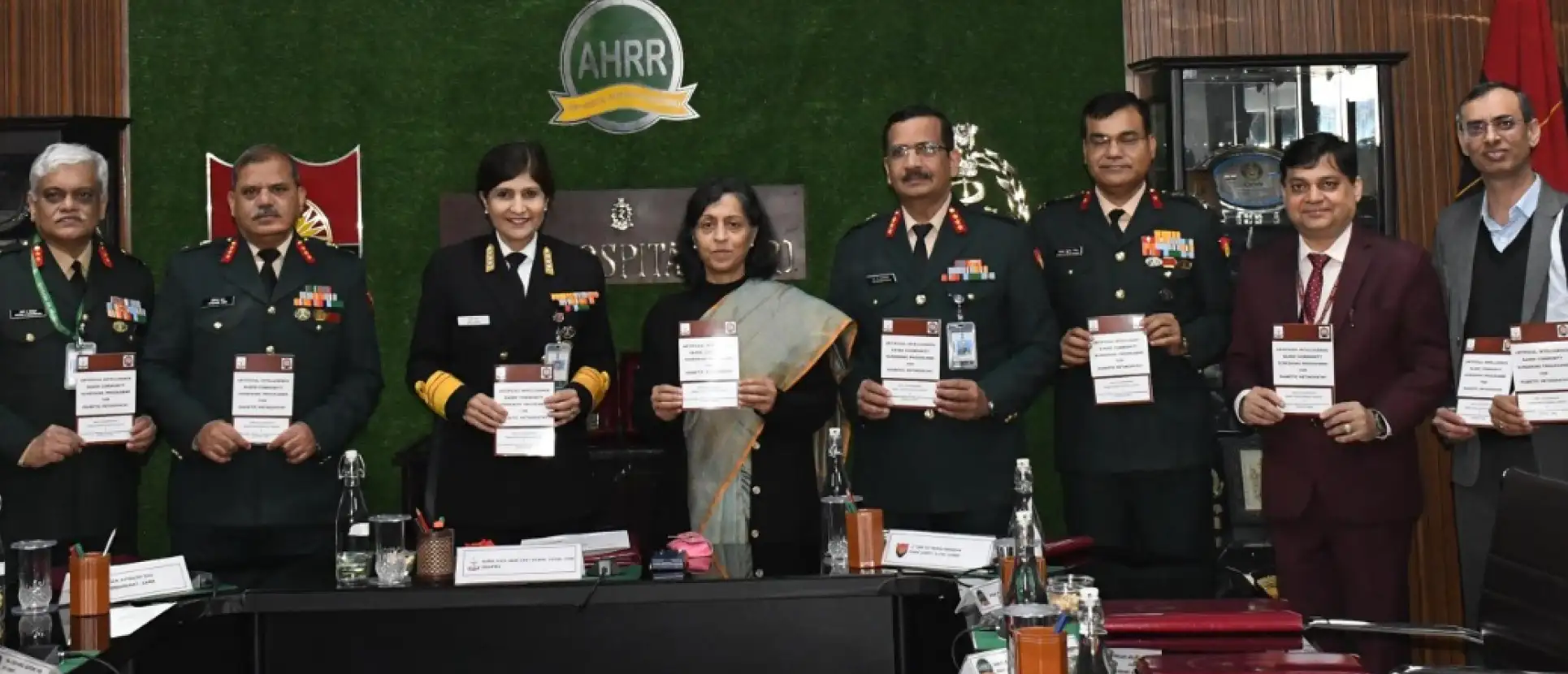
The facility was inaugurated at Army Hospital, Research & Referral, New Delhi, by Surgeon Vice Admiral Arti Sarin, Director General AFMS, along with Prof Radhika Tandon, Chief of RPC, AIIMS.
This programme was in response to the increasing concern over the burden of diabetes and its complications in India.
Stay tuned for more such updates on Digital Health News
Follow us