Varda Space Lands $187Mn to Accelerate In-Space Drug Manufacturing
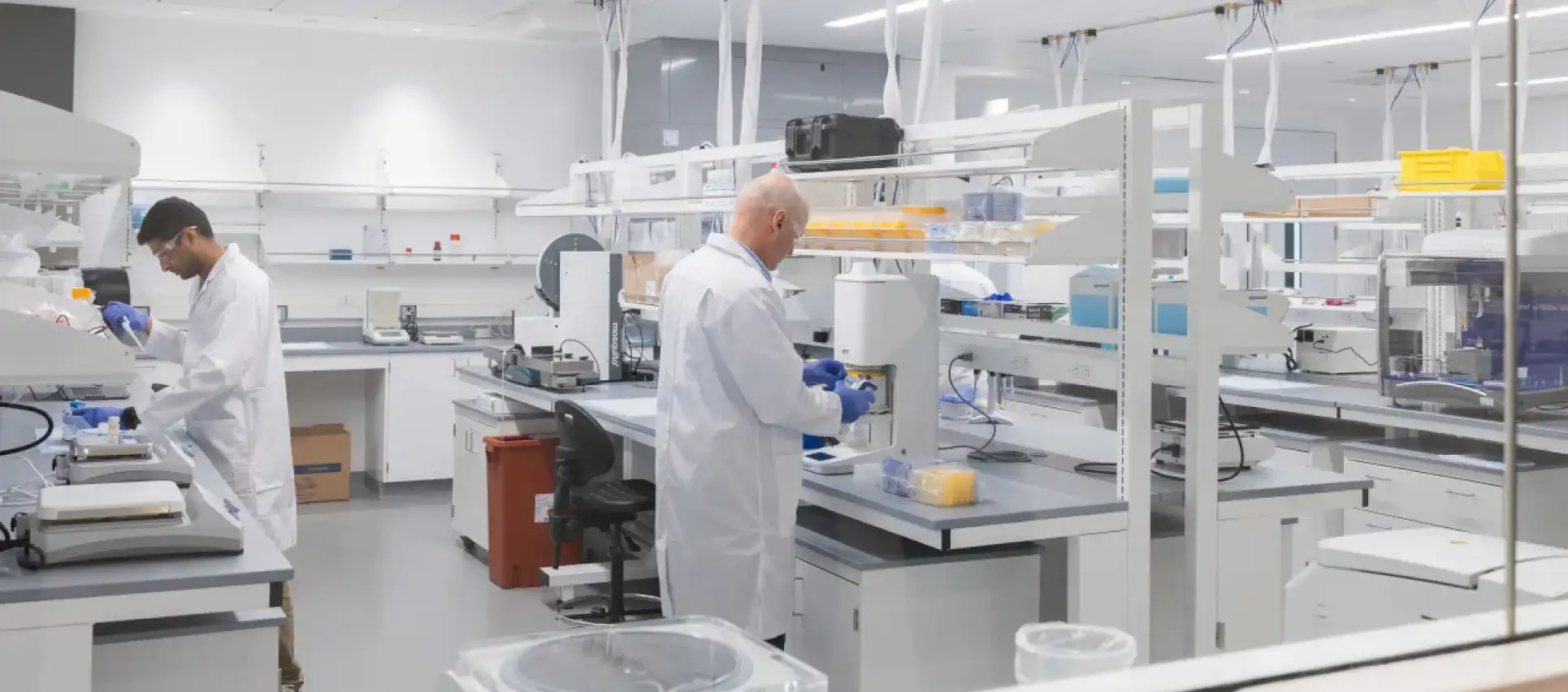
Varda operates orbital laboratories where it manufactures materials in space, including active pharmaceutical ingredients.
Varda Space Industries has secured $187 million in a Series C funding round to accelerate its work in microgravity drug manufacturing. With this latest raise, the company’s total capital now stands at $329 million.
The round was led by Natural Capital and Shrug Capital, with additional participation from Founders Fund, Peter Thiel, Khosla Ventures, Caffeinated Capital, Lux Capital, and Also Capital.
Varda operates orbital laboratories where it manufactures materials in space, including active pharmaceutical ingredients. The company highlights that the unique microgravity environment, unachievable on Earth, offers advantages in processing, including suppression of convective currents, buoyancy, and sedimentation. This leads to creating more uniform drug crystals with potential shelf life and bioavailability improvements.
“Our new lab space is an investment in our belief that in-space pharmaceutical manufacturing will drive the foundation of the orbital economy,” said Adrian Radocea, chief science officer at Varda. “By expanding, we can support work on more complex molecules and ultimately increase cadence to achieve the turnaround times the pharmaceutical industry expects.”
The funding will increase Varda’s flight frequency and expand its pharmaceutical laboratory capabilities.
In June, the company launched its fourth W-4 mission using its next-generation spacecraft developed at its El Segundo, California, facility. In May, the W-3 capsule re-entered, marking Varda’s third successful mission in a series of launches.
Meanwhile, space-based biomedical research is gaining traction beyond Varda. In January, the International Space Station (ISS) hosted studies on early cancer detection, neurodegenerative conditions, and respiratory therapies as part of NASA’s 31st commercial resupply mission via SpaceX.
Bristol Myers Squibb, in collaboration with ISS National Lab Commercial Service Provider Redwire Space, continued protein crystallization studies aboard the ISS to support the formulation of more effective therapeutics.
In 2024, the U.S. National Science Foundation (NSF) offered up to $1.6 million in funding for projects leveraging the ISS to advance tissue engineering and mechanobiology research. This marked the eighth consecutive year of NSF support for microgravity life sciences.
Stay tuned for more such updates on Digital Health News
Follow us