Singapore-based TTSH to Trial AI Tool That Lets Paralysed Patients Communicate via Blinks
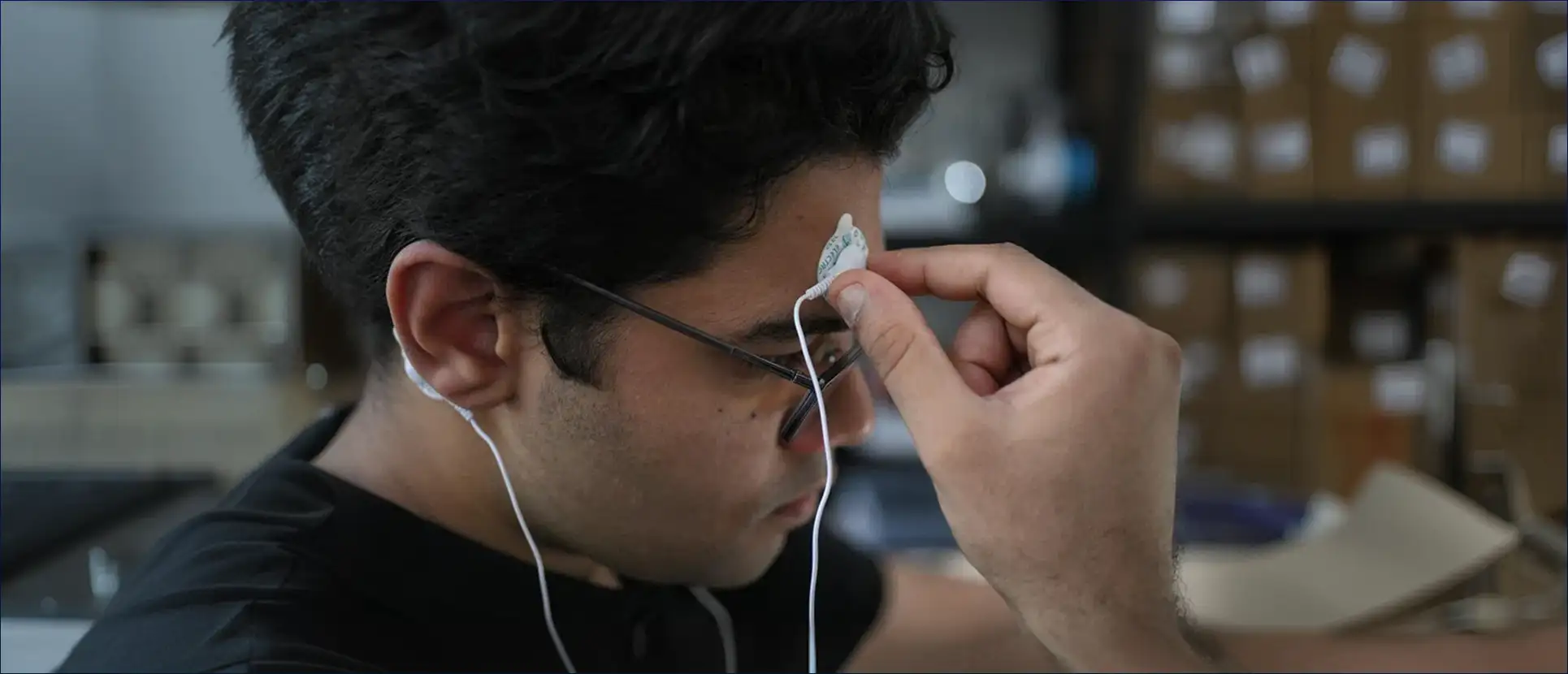
The device, developed by Singapore-based start-up Neural Drive, is aimed at patients with severe movement and speech impairments, including stroke survivors, individuals with motor neurone disease, and those with cerebral palsy.
Tan Tock Seng Hospital (TTSH) will begin an 18-month clinical trial in June of an artificial intelligence-powered brain-computer interface designed to help paralysed patients communicate using eye blinks and focused thought.
The device, developed by Singapore-based start-up Neural Drive, is aimed at patients with severe movement and speech impairments, including stroke survivors, individuals with motor neurone disease, and those with cerebral palsy. Around 30 patients are expected to participate in the trial.
The system uses electrodes placed behind the ears and above one eye to detect brainwaves and eye blinks. These signals allow users to navigate a digital menu and select actions such as requesting food, watching television, turning on lights, or accessing communication apps like WhatsApp and YouTube with pre-set messages and content.
Users can scroll through options by blinking twice and confirm selections by focusing their attention for a few seconds. The device connects to laptops and tablets, enabling basic communication and task execution without physical movement or speech.
Neural Drive co-founder Khambhati Mohammed Huzefa said the device was designed to be portable and affordable, with a focus on usability in everyday care settings. Each unit is priced at around $2,500 for hospitals, significantly lower than existing assistive communication systems.
Current alternatives, such as eye-gaze systems, can cost up to $15,000 and may not work effectively for patients with limited visual control. More advanced brain-computer interfaces require surgical implantation, which carries medical risks and higher costs.
TTSH senior principal speech therapist Zenne T’ng said the hospital aims to integrate the device into speech therapy practices across acute care, rehabilitation, and home settings if trial outcomes are positive.
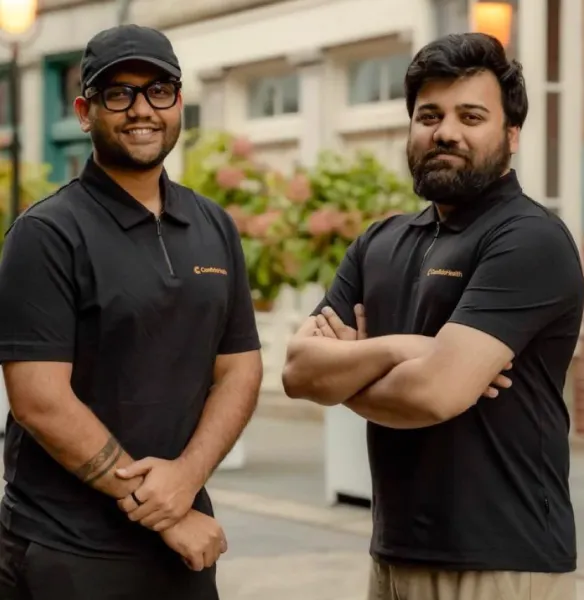
Neural Drive was founded in early 2025 by four founders with backgrounds in engineering and neuroscience, following collaborations at hackathons. The concept was inspired by Khambhati’s experience as a medic during national service, where he observed communication challenges faced by critically ill stroke patients.
The start-up has conducted early home trials involving around 60 users and has received funding support from the Singapore University of Technology and Design and innovation competitions.
The company is also exploring broader deployment plans, including direct-to-user models and donation initiatives, once regulatory approvals are secured.
Stay tuned for more such updates on Digital Health News
Follow us