RapidAI, Gravity MedTech Partner to Advance Connected Neurovascular Care in India
The companies are also planning to incorporate RapidAI software into Gravity MedTech’s GRASSROOT Registry in India.
California-based clinical AI and medical imaging platform, RapidAI, and medical device and healthcare company, Gravity MedTech, have partnered to strengthen advanced connected neurovascular care in India by linking AI-powered stroke imaging and care coordination with mechanical thrombectomy technologies.
The companies said the initiative is intended to improve coordination between hospitals and care teams and reduce delays between imaging, clinical decision-making, and thrombectomy.
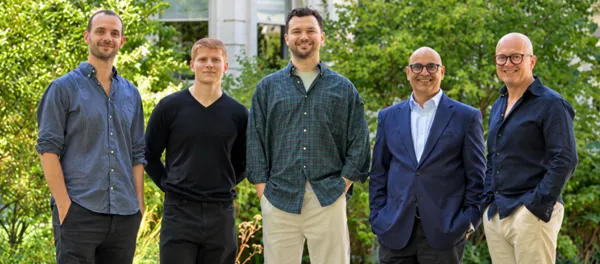
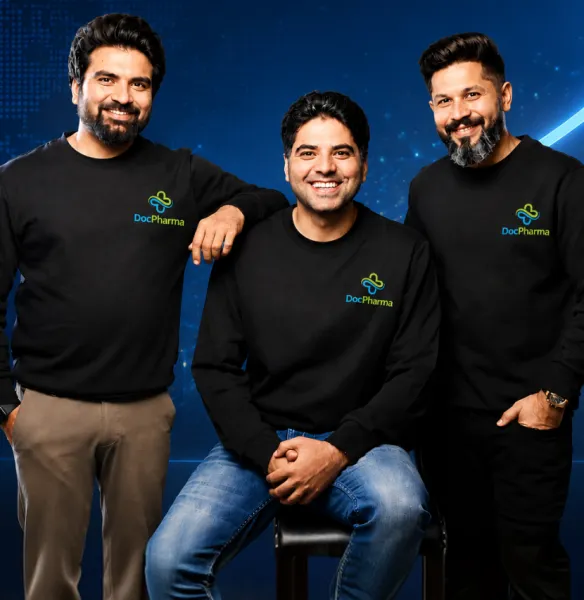
“Our goal is to make stroke care in India faster and more coordinated by connecting early diagnosis directly with definitive interventional care,” said Shashvat Desai, M.D., co-founder and chief technology officer of Gravity Medical Technology. “RapidAI brings proven clinical AI and care coordination to the front of the patient pathway, while our Supernova & Neutron technology delivers the interventional precision physicians need in the Cath lab. Together, we can strengthen regional stroke networks and generate real-world evidence on how connected workflows improve patient outcomes.”
RapidAI’s Rapid Enterprise Platform uses clinical AI to analyse CT imaging and provide results, source images and relevant patient information through radiology, mobile and web-based workflows.
The platform is designed to support clinicians in identifying potentially treatable stroke cases and coordinating care across different locations.
Under the collaboration, these capabilities will be connected with Gravity MedTech’s mechanical thrombectomy portfolio, including the Supernova Stent Retriever and Neutron Aspiration Catheter.
The devices are used during endovascular procedures to remove blood clots in eligible patients with acute ischemic stroke.
The companies are also planning to incorporate RapidAI software into Gravity MedTech’s GRASSROOT Registry in India.
The registry will involve participating academic and tertiary care centres and is expected to generate real-world evidence on AI-enabled stroke workflows.
Planned measures include door-to-needle and door-to-puncture times, procedural efficiency, and 90-day functional outcomes using the modified Rankin Scale.
The partnership represents an effort to connect different stages of the stroke pathway rather than treating imaging, clinical assessment, patient transfer, and intervention as separate processes.
Stay tuned for more such updates on Digital Health News
Follow us