Rajasthan Govt Launches ‘e-Swasthya Samvad’ Platform to Improve Governance in Medical Education
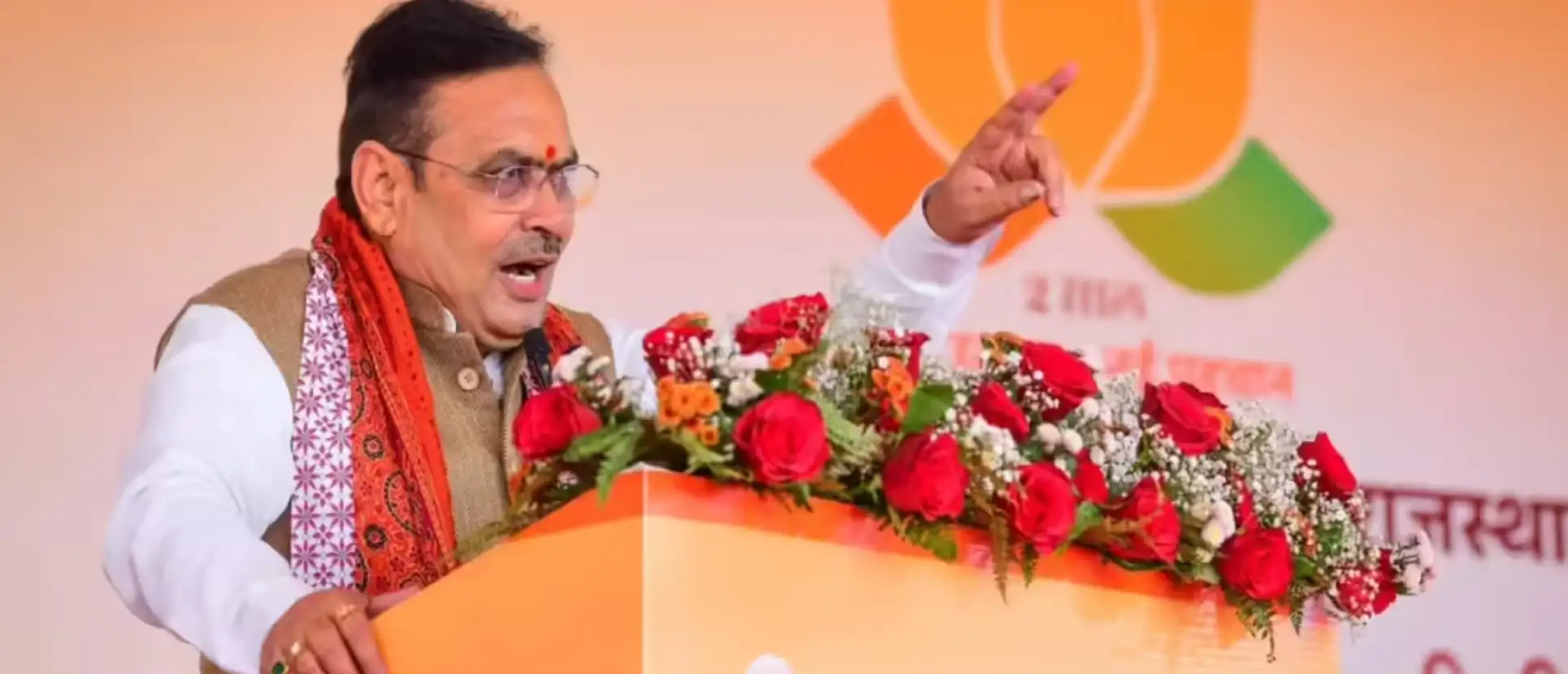
The initiative has been launched under the direction of Chief Minister Bhajanlal Sharma and Medical Education Minister Gajendra Singh Khimsar, as part of the state government’s broader push to strengthen healthcare delivery through technology-driven administrative reforms.
The Rajasthan government has introduced ‘e-Swasthya Samvad’, a digital communication platform designed to enhance governance, transparency, and operational coordination within the medical education department, officials said on Sunday.
The initiative has been launched under the direction of Chief Minister Bhajanlal Sharma and Medical Education Minister Gajendra Singh Khimsar, as part of the state government’s broader push to strengthen healthcare delivery through technology-driven administrative reforms.
According to Principal Secretary, Medical Education, Gayatri Rathore, the platform will act as a dedicated digital interface connecting all stakeholders involved in medical education and health services. She said the initiative is expected to support faster decision-making, streamlined communication, and more effective implementation of health programmes across the state.
Medical Education Commissioner Naresh Goyal said ‘e-Swasthya Samvad’ sessions will be conducted twice a week—every Tuesday and Thursday—using video conferencing. The meetings will follow a structured, two-phase format to ensure focused discussions and wider participation.
In the first phase, beginning at 5 pm, senior officials, including medical college principals, medical superintendents, principal medical officers (PMOs), and heads of departments ,will participate in closed-door discussions. The second phase, starting at 6 pm, will involve open interactions with faculty members, doctors, nursing staff, students, and members of the public.
Goyal said the platform will be used to review budget-related announcements, directives issued by the Chief Minister’s Office, grievance redressal matters raised through portals such as CMIS and CP-Grams, and the implementation status of state and central health schemes. Discussions will also cover infrastructure development projects, procurement of medical equipment, and routine operational challenges faced by medical colleges and government hospitals.
Stakeholders will be able to submit issues and suggestions in advance through a Google form. However, participation without prior submission of agenda points will also be permitted during the sessions, officials said.
Decisions taken during the meetings will be documented in real time, and concerned officials will be required to submit action-taken reports within 72 hours. The government expects this mechanism to reduce delays, improve accountability, and strengthen coordination across different levels of the medical education system.
Officials said the platform is aimed at institutionalizing regular communication and monitoring, while ensuring time-bound follow-up on key administrative and service delivery issues.
Stay tuned for more such updates on Digital Health News
Follow us