Precision Over Scale: How Minimally Invasive Surgery is Revolutionizing Healthcare in India
Imagine a surgery where precision trumps scale, recovery is faster, and patients walk out with less trauma and discomfort. This isn’t a glimpse of the distant future; it’s the reality of minimally invasive surgery (MIS), a field that is rapidly reshaping healthcare across India. From cardiology to oncology, and from pediatrics to geriatric care, MIS is redefining the surgical experience, making procedures safer, recovery shorter, and outcomes better.
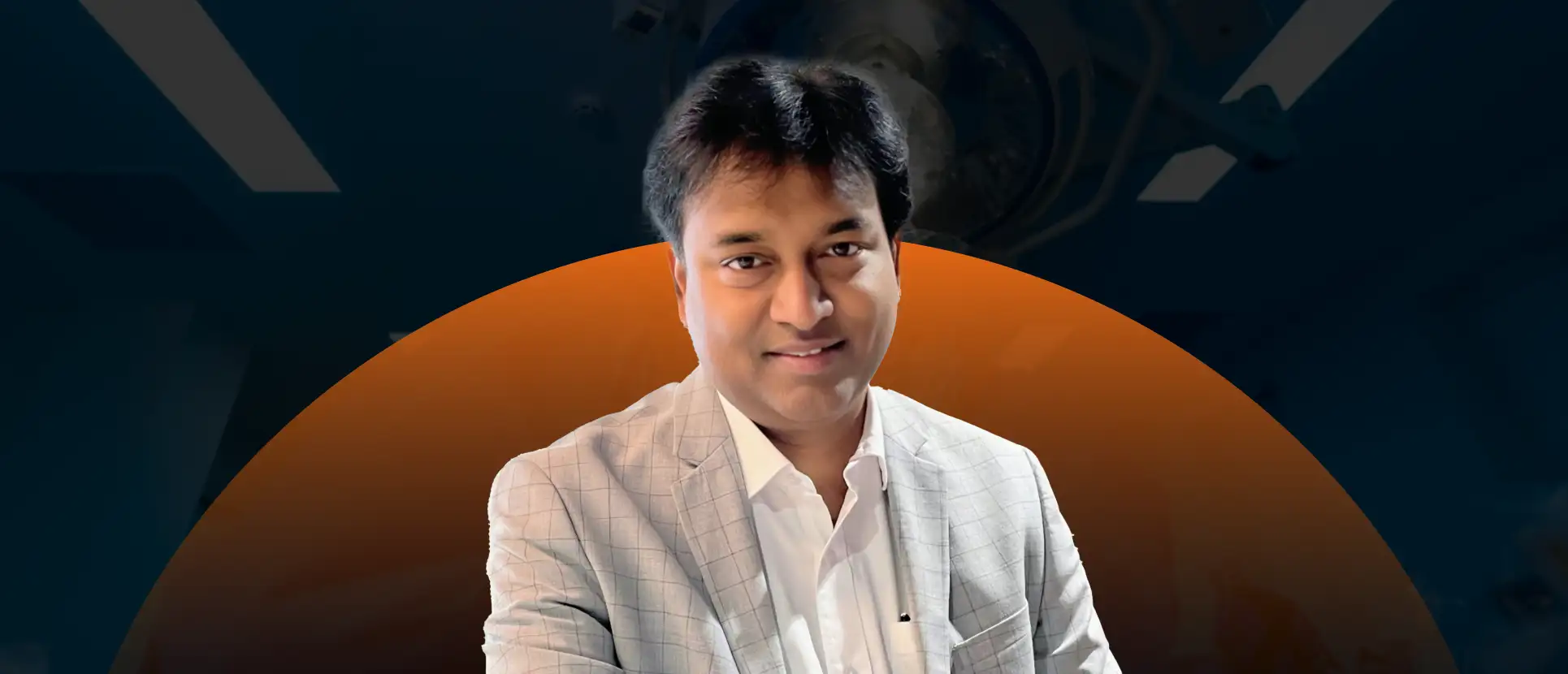
We sat down with Nitin Stephen Abel, Senior Director at Terumo Interventional Systems, to explore how innovations, technology, and a patient-centric approach are driving this transformation, and why India is emerging as a global benchmark for minimally invasive care.
1. For those new to the field, how would you define minimally invasive surgery (MIS), and how does it fundamentally differ from conventional approaches?
When we talk about the future of surgery, one idea stands out – doing more with less. Surgery today isn’t defined by how big the incision is, but by how precise the intervention can be. Minimally Invasive Surgery, or MIS, is about achieving the same clinical outcomes, but with far less trauma to the body. By using smaller incisions, specialized instruments, and real-time imaging, MIS aims to reduce trauma to the body, lower infection rates and improve patient outcomes.
What sets it apart from traditional open surgery isn’t just the technique; it’s the intent and the outcomes. MIS shifts the focus from maximum exposure to maximum precision. In cardiology, for example, transradial interventions are becoming increasingly common in many centres. In oncology, laparoscopic approaches are enabling more targeted procedures with potentially fewer complications.
The benefits of MIS are becoming increasingly clear - from reduced post-operative discomfort to shorter hospital stays and quicker recovery times. In fact, a 2024 study showed that MIS patients saw recovery times reduced by 20–30% compared to those who underwent open procedures. For patients, this means returning to normal life sooner. For hospitals, it translates to better bed turnover and operational efficiency.
As we continue to evolve in how we deliver care, approaches like MIS remind us that innovation isn’t always about doing more; it’s about doing it smarter and better.
2. What clinical or technological advancements are currently accelerating MIS adoption across specialties like cardiology, oncology, and radiology in India?
That’s a great question, and one we hear often from clinicians and hospital administrators alike. Minimally Invasive Surgery (MIS) is no longer a future-forward concept; in many ways, it’s becoming a part of mainstream care. And in India, the rapid adoption of MIS is being driven by more than just innovation; it’s the result of a convergence of clinical needs, maturing technology, and stronger institutional support.
What’s particularly interesting is how this evolution is transcending across different specialties. In cardiology, for example, we’re seeing a steady move toward transradial interventions, supported by devices like the Glidesheath Slender™ that enable gentler vascular access, which can enhance patient comfort and reduce recovery time. Another instance can be seen with imaging technologies such as Optimal Coherence Tomography and intravascular ultrasound, which are improving image-guided catheterization. This advancement facilitates more precise stent placement and minimizes complications.
If we talk about oncology on the other hand, the conversation is often around precision. Advances like high-definition endoscopy and robotic-assisted systems are helping surgeons navigate critical anatomy with greater control. Similarly, in interventional radiology, image-guided procedures such as embolization benefit from real-time feedback and sub-millimetric targeting, making interventions more refined.
But it’s not just about adopting better tools — it’s about building a better ecosystem. The rise of Cath labs and hybrid OTs in Tier 1 and Tier 2 cities, expanded surgeon training programs, and collaborative efforts between healthcare providers, industry innovators, and government bodies are all helping accelerate the momentum.
So, if you ask me, we’re not just seeing wider adoption of MIS techniques. We’re seeing India develop the infrastructure and expertise needed to sustain and scale them thoughtfully. Furthermore, government initiatives are promoting digitalization and decentralization, thereby enhancing the accessibility of Management Information Systems (MIS) across various levels of care.
3. How have techniques like Angio-Seal and minimally invasive coronary procedures changed the risk-recovery equation for patients?
It’s worth reflecting on how far we’ve come in making coronary procedures safer and more patient-centric. A decade ago, the recovery process after something like an angioplasty was far more demanding, for both patients and hospitals. Today, that equation is shifting significantly, and technologies like Angio-Seal have played a meaningful role.
At its core, Angio-Seal addresses something simple but important: vascular closure. Traditionally, after a procedure, patients have to remain still for hours, relying on manual compression to stop bleeding. That immobility often comes with discomfort, longer hospital stays, and a risk of post-procedure complications.
With Angio-Seal, the closure is almost immediate. Many patients are able to walk within a few hours, and in some centres, even go home on the same day. From a clinical standpoint, that can translate into lower bleeding risks, shorter recovery windows, and a smoother overall experience.
When combined with minimally invasive approaches like transradial access or the use of next-generation stents, the overall impact is even more pronounced. These techniques work in tandem to reduce trauma, speed up recovery, and improve outcomes.
More than just a technical advancement, this shift reflects a broader change in mindset: recognising that effective cardiac care isn’t just about treating the disease, it’s also about supporting patients in returning to their lives faster, safer, and with greater comfort.
And that’s the direction we continue to move in, especially as access to such innovations expands across more regions in India.
4. How are MIS tools being adapted to meet the unique anatomical and procedural needs of pediatric and elderly populations?
As minimally invasive surgery (MIS) continues to evolve to better serve the anatomical and procedural nuances, it’s important to ask ourselves: Who are we designing this for? Because the challenges are different, while the benefits of MIS like faster recovery, reduced trauma, and better outcomes, are universal, the needs of patients are not. And when it comes to pediatric and elderly populations, the challenges are as unique as the individuals themselves.
For pediatric patients, size and gentleness are critical. We’re working with smaller vessels, more delicate anatomy, and a heightened need for precision. Over the past few years, there have been important advancements in ultra-low-profile devices that make safe, accurate navigation possible — without compromising outcomes.
We’re also seeing advancements in pediatric home medical equipment, especially since 2024, that are enabling children to receive care from the comfort of their homes. It’s a meaningful shift that combines clinical innovation with real quality-of-life benefits.
On the other end of the spectrum, elderly patients often come in with comorbidities like diabetes, hypertension, or fragile vasculature. Here, MIS tools need to minimize procedural complexity and reduce reliance on general anesthesia. In fact, the 2024 NITI Aayog report on senior care highlighted MIS as a key lever in enhancing elderly outcomes, especially in smaller towns where access to post-op care may be limited.
This is where thoughtful innovation is making a real impact — and where companies like Terumo are contributing meaningfully. For example, advancements in microcatheter design are helping improve crossability and support in complex anatomy, while low-trauma access tools and ergonomically balanced delivery systems can help reduce procedural strain, particularly in elderly patients. In pediatric cases, softer guidewires and slender sheaths support safer, gentler access tailored to smaller anatomies.
Ultimately, the goal is to make MIS more inclusive. Age, anatomy, and complexity shouldn’t be barriers to care — and through innovation and collaboration, we’re working to ensure they’re not.
5. Terumo has been evolving from a device manufacturer to a solutions provider; what does this shift mean in practical terms for hospitals and clinicians?
We’re seeing a shift in what hospitals and clinicians expect from MedTech companies. It’s no longer just about supplying tools — it’s about offering practical, end-to-end support that helps them deliver care more effectively. That’s really what this evolution means for us at Terumo.
It’s not just about delivering a device anymore; it’s about being part of the entire care journey. For hospitals, this might involve input on Cath lab setup, access to clinical training, or sharing operational data that supports efficiency. For clinicians, it could mean therapy-specific procedural kits, guidance during complex interventions, or even remote case support when needed.
We’ve been intentional in building this kind of ecosystem, one that’s responsive to today’s realities while also keeping an eye on what’s coming next. Whether it’s co-creating hybrid care models or offering structured mentorship programs, our goal is simple: to help healthcare providers deliver safer, smarter, and more streamlined care.
6. Given your global experience, how does India’s progress in MIS adoption and innovation compare with other leading healthcare markets?
There’s a common misconception that medical innovation always flows from West to East. But when it comes to minimally invasive surgery (MIS), India is no longer just following the global curve — it’s helping redefine it.
From what I’ve seen across regions, India’s momentum in MIS isn’t just about catching up, it’s about setting benchmarks. Whether it’s the widespread adoption of radial-first cardiology or the increasing interest in endovascular oncology, clinicians here are quick to integrate new tools when they see tangible patient benefits. That willingness to innovate, even in resource-constrained environments, is what truly sets India apart.
The Global Innovation Index placing India 39th last year only reinforces this upward curve. At Terumo, we’re consistently supporting this journey, not just by offering products, but by co-creating solutions with local teams, delivering hands-on clinical training, and launching regionally relevant innovations.
In many ways, India is not only adopting MIS, it’s actively influencing how the world thinks about it.
Stay tuned for more such updates on Digital Health News
Follow us