Motorica Launches World’s First Bionic Hand Prosthesis Powered by Optical Sensors
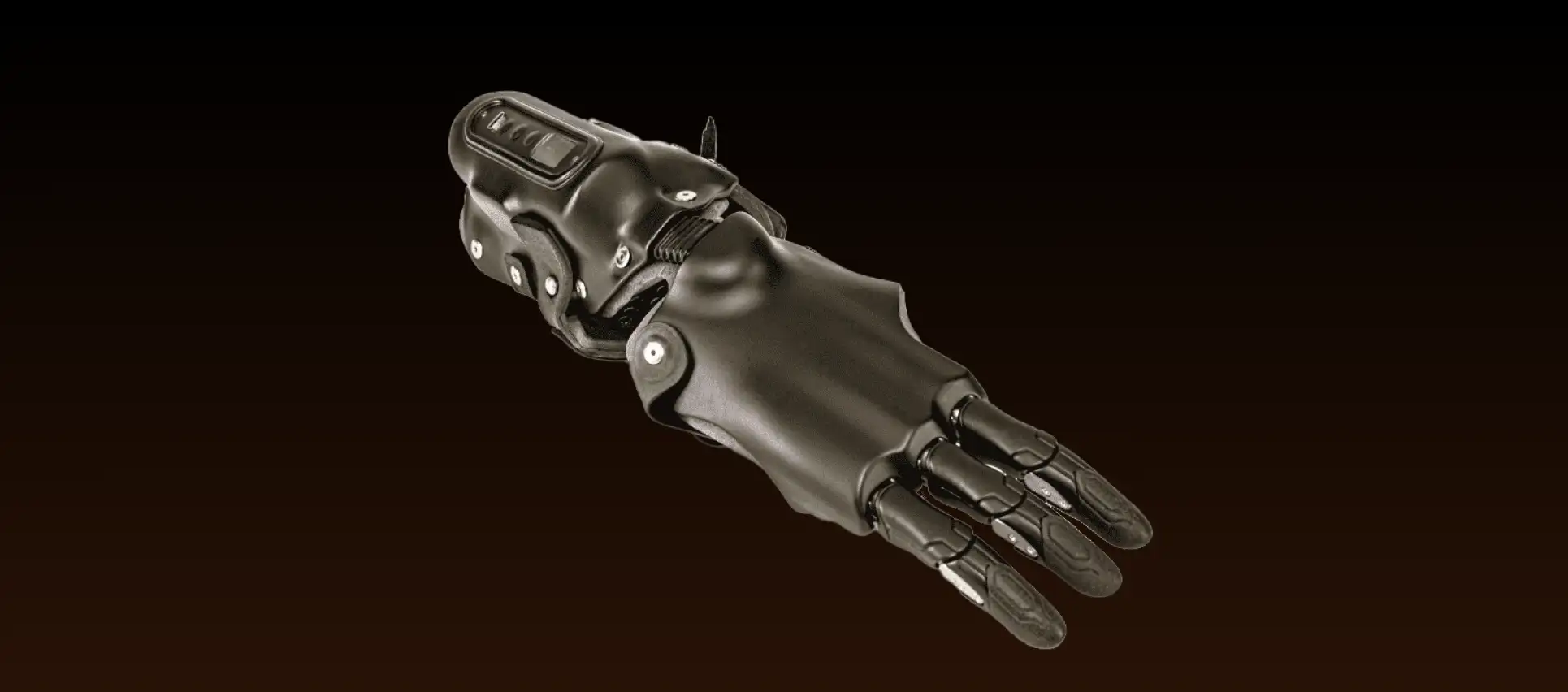
Moving beyond traditional muscle-signal prosthetics, the Omni Hand uses optical sensors to detect minute changes in tissue light transmittance caused by muscle and tendon movements.
Motorica, a global MedTech company specializing in assistive technologies and medical cybernetics, has launched Omni Hand, the world’s first bionic hand prosthesis equipped with optical myography (OMG) sensors.
The development marks a significant advancement in intuitive prosthetic control and human–technology interaction.
Moving beyond traditional muscle-signal prosthetics, the Omni Hand uses optical sensors to detect minute changes in tissue light transmittance caused by muscle and tendon movements. By interpreting these variations in real time, the prosthesis translates small muscle impulses into natural and precise motion. This allows individuals with limited muscle activity—such as those recovering from electrical injuries, frostbite, or trauma—to achieve smoother and more responsive control.
“Omni Hand represents a new level of human-technology interaction. It doesn’t just respond to movement; it understands the user’s intent. This is a step toward truly natural control of bionic prosthetics,” said Andrei Davidiuk, CEO of Motorica.
The prosthesis can identify a set of “phantom gestures,” or imagined hand movements, such as clenching a fist or making a pinch. It can recognize and execute up to six individual gestures without requiring users to switch modes, enabling faster and more adaptive control. The system also includes a user decision support feature that learns from every interaction, improving precision and performance over time.
Optical sensing has largely remained confined to laboratory research, but Motorica is the first to bring it into practical application. The company has completed a successful pilot rollout, with eight users currently using the Omni Hand in their daily lives. Mass production is planned for 2026, which could extend access to advanced prosthetics across a wider range of patients globally.
The development highlights a key progression in the MedTech field, positioning optical myography as a potential standard for next-generation prosthetic solutions focused on precision, adaptability, and accessibility in real-world use.
Stay tuned for more such updates on Digital Health News
Follow us