Monash’s AI Patches Track Foetal Movement with 90% Accuracy in Trial
The system, detailed in Science Advances, aims to offer a reliable, non-invasive option for monitoring foetal activity outside clinical settings.
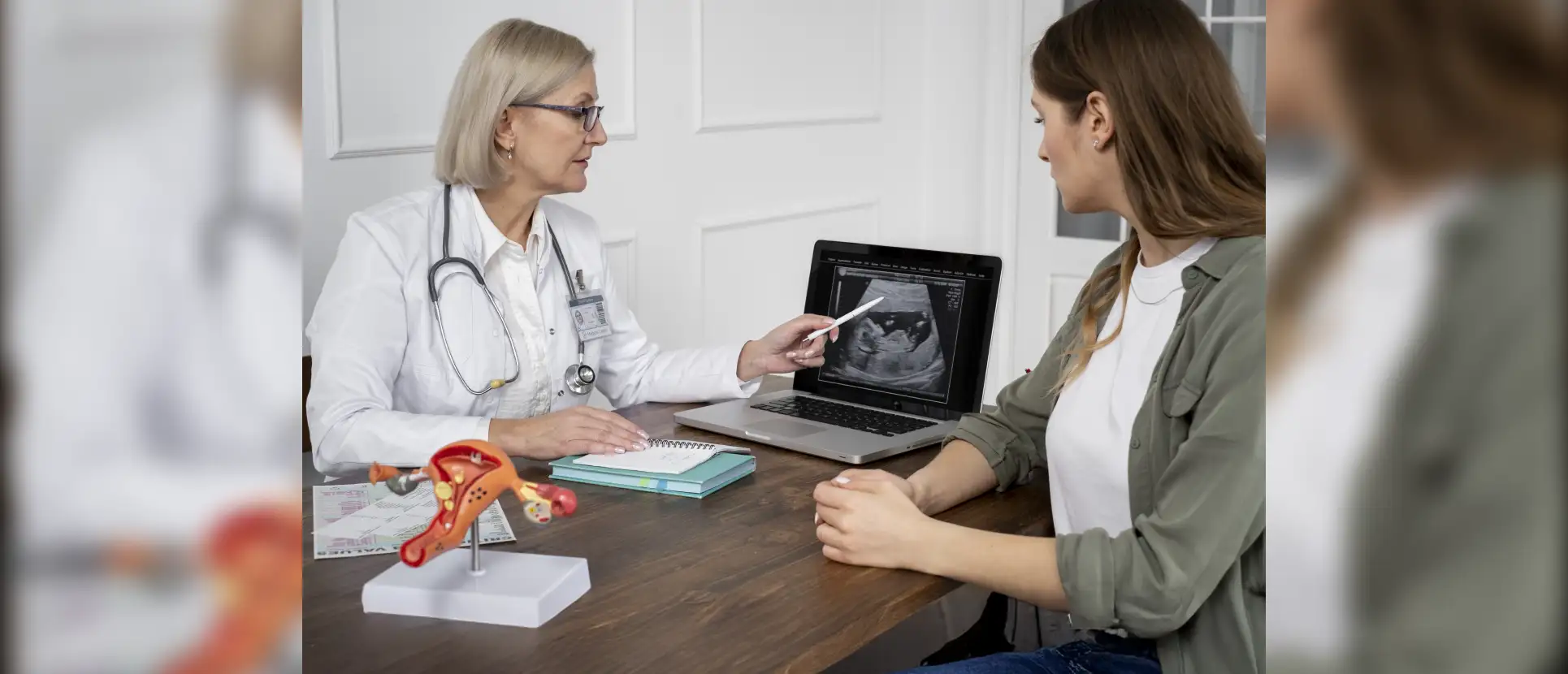
Monash University researchers have developed AI-integrated abdominal patches capable of detecting foetal movements at home, demonstrating over 90% accuracy in a hospital-based clinical trial.
The system, detailed in Science Advances, aims to offer a reliable, non-invasive option for monitoring foetal activity outside clinical settings.
The solution uses a pair of thin sensors, each measuring about 10–14 cm², placed on the abdomen to capture movements such as kicking, stretching and rolling. A machine learning model analyses strain patterns on the abdominal surface, distinguishing foetal movements from maternal motion.
Before clinical evaluation, the sensors were tested on artificial 2D and 3D abdominal models to validate performance in detecting simulated kicks. The subsequent trial at Monash Health involved 59 pregnant participants, where the patches consistently identified binary foetal movements with over 90% accuracy.
Researchers say current at-home options for continuous monitoring remain limited, relying largely on self-reporting. According to Dr Vinayak Smith, associate professor at Monash’s Department of Obstetrics and Gynaecology, the soft wearable is designed to provide a more comfortable, long-duration monitoring method. The lightweight form factor allows pregnant individuals to wear the device without disrupting daily routines.
Dr Fae Marzbanrad, head of the Biomedical Signal Processing Research Lab at Monash Engineering, noted that integrating sensor data with AI expands the range of movements captured compared with existing wearable concepts, while keeping the design compact and flexible.
The team emphasised that the patches are not intended to replace clinical assessments but could complement standard care by enabling earlier identification of concerning changes in foetal movement patterns. Researchers are now preparing for larger clinical trials outside hospital environments and are assessing regulatory pathways for home and community use.
The project received funding support through a National Health and Medical Research Council grant awarded in 2020.
The development comes amid increasing investment in remote foetal monitoring technologies. Melbourne-based Kali Healthcare secured pre-seed funding in 2023 for its patch-based foetal heart rate monitor, while Baymatob raised $3 million in 2022 for its AI-driven labour monitoring trial.
Public health services have also begun adopting remote pregnancy monitoring tools, including HeraMED’s platform trials in Queensland and Western Australia’s rollout of a digital foetal record review system.
Stay tuned for more such updates on Digital Health News
Follow us