LVPEI Doctors Validate AI Tool for Glaucoma Detection via Smartphone Cameras
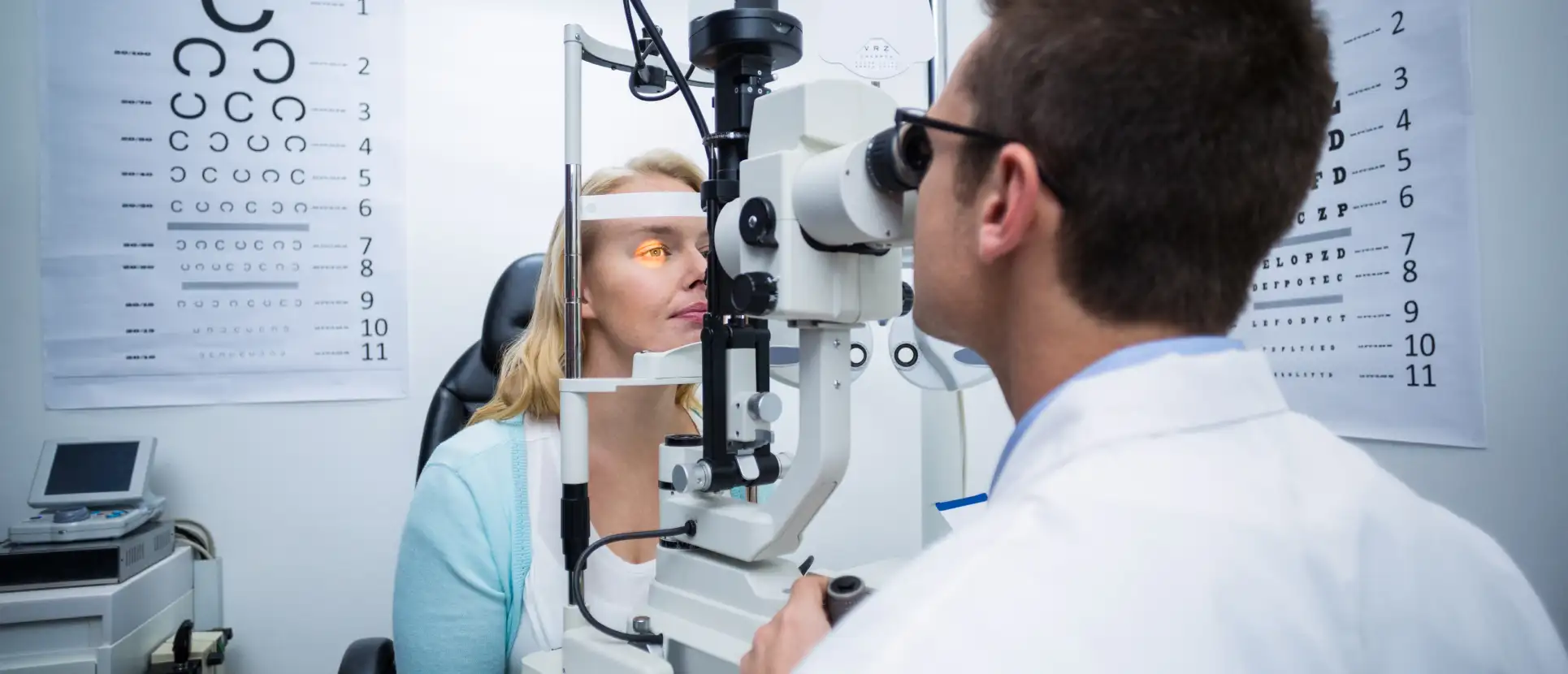
The study, published in the online journal PLOS, recorded an efficiency rate of nearly 92%.
Doctors at the LV Prasad Eye Institute (LVPEI), Hyderabad, have validated an artificial intelligence (AI) tool that can detect glaucoma using smartphone cameras. The study, published in the online journal PLOS, recorded an efficiency rate of nearly 92%.
Glaucoma, known as the "sneak thief of sight," damages the optic nerve and usually progresses without symptoms until advanced stages. Early detection has been a persistent challenge, making accurate, scalable tools significant for screening.
Study findings
The study, conducted by LVPEI doctors in collaboration with Remidio Innovative Solutions, tested an offline AI tool integrated with a portable, non-mydriatic fundus camera. This device uses smartphone technology to capture detailed images of the back of the eye.
A total of 213 patients (418 eyes) were screened. Participants were classified as glaucoma-free, glaucoma suspects, or having definite glaucoma, which was further categorized by severity: early, moderate, and advanced.
When compared with the diagnoses of a glaucoma specialist, the AI tool demonstrated a sensitivity of 91.36% and a specificity of 94.12% in identifying patients requiring referral.
Among diabetic patients—a high-risk group—the tool detected 42 out of 45 definite glaucoma cases. For patients over 65 years, it achieved a sensitivity of 90.57% and a specificity of 100%.
Local developments
Glaucoma affects about 1 in 30,000 people globally, with a higher risk reported among African and Asian populations. In Telangana, a glaucoma centre was recently established at a public health centre (PHC) in Nalgonda for the first time. Authorities said efforts are ongoing to replicate this model across the state.
Stay tuned for more such updates on Digital Health News
Follow us