Dr. Lal PathLabs Implements AI to Detect Lymph Node Metastasis in Cancer Cases
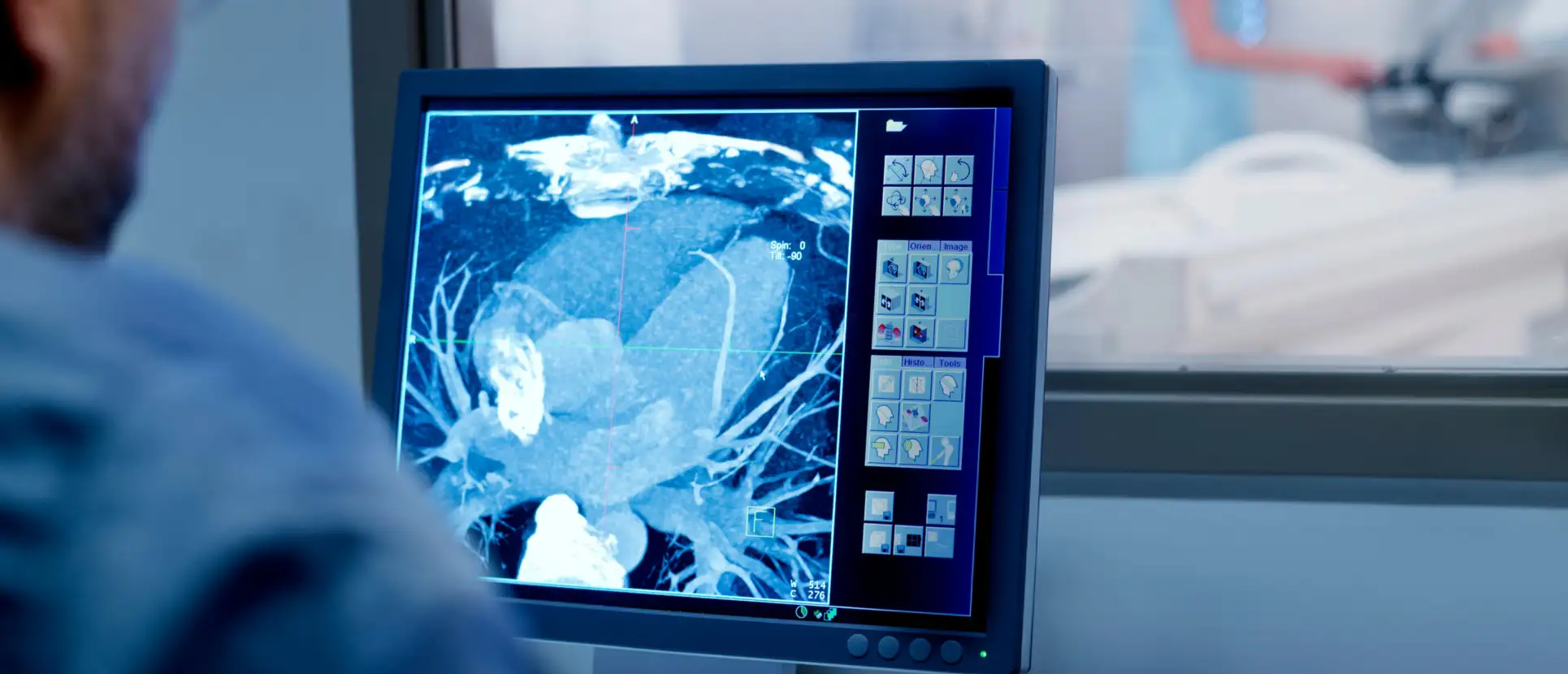
The AI tool, QiAI Lymph Node Dx, was validated in collaboration with Qritive and showcased at the United States and Canadian Academy of Pathology (USCAP) 2025.
Dr. Lal PathLabs (DLPL) has become the first laboratory in India to integrate a deep learning-based artificial intelligence (AI) module for detecting lymph node metastasis, including micrometastasis, in cancer cases.
Accurate identification of cancer spread to lymph nodes is crucial for determining patients' stage and treatment strategy.
The AI tool, QiAI Lymph Node Dx, was validated in collaboration with Qritive and showcased at the United States and Canadian Academy of Pathology (USCAP) 2025. Micrometastases—tiny clusters of cancer cells in lymph nodes—often require extended testing and careful review, which can delay diagnosis. The new AI system addresses this by analyzing digital slides and quickly identifying cancer cells with high precision.
Tests conducted on digital slides from breast, colon, stomach, and esophageal cancer cases demonstrated the AI’s ability to detect single-cell and micrometastases that were previously missed in manual reviews. These findings were subsequently confirmed through immunohistochemistry (IHC), establishing the system’s reliability.
Bruno Occhipinti, CEO of Qritive Pte. Ltd., said: “We previously got the opportunity to collaborate with the team at Dr Lal PathLabs on a study, which resulted in the abstract presented at USCAP’25 in Boston. Following extensive testing and workflow validation, we are excited to go live and enable the transformative impact of our AI-powered solution on critical diagnoses. This has the potential to unlock massive efficiency and accuracy gains in large volume settings, further enhancing Lal PathLabs’ excellence in its operations."
With cancer cases on the rise in India, adopting AI-based diagnostic tools like QiAI Lymph Node Dx is expected to improve the speed and accuracy of cancer detection, streamlining workflows for pathology laboratories and potentially impacting patient outcomes.
Stay tuned for more such updates on Digital Health News
Follow us