


Anthropic CEO Predicts AI Could Transform Disease Treatment Within a Decade
Other technology leaders have expressed similar optimism, yet pharmaceutical industry leaders have questioned whether the technology can meet such ambitious deadlines.
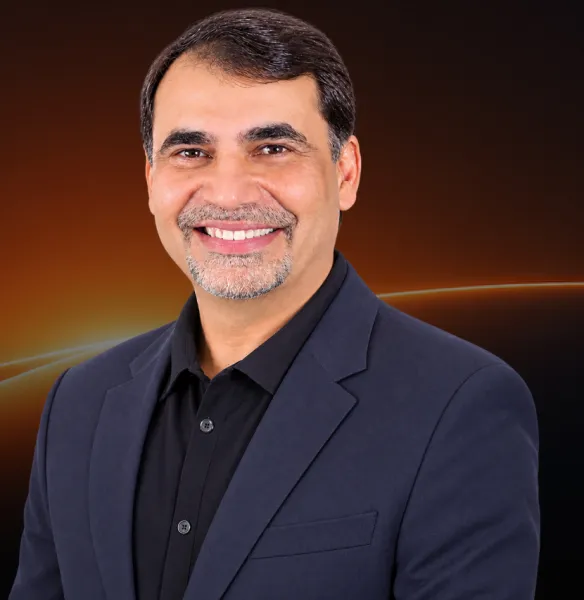
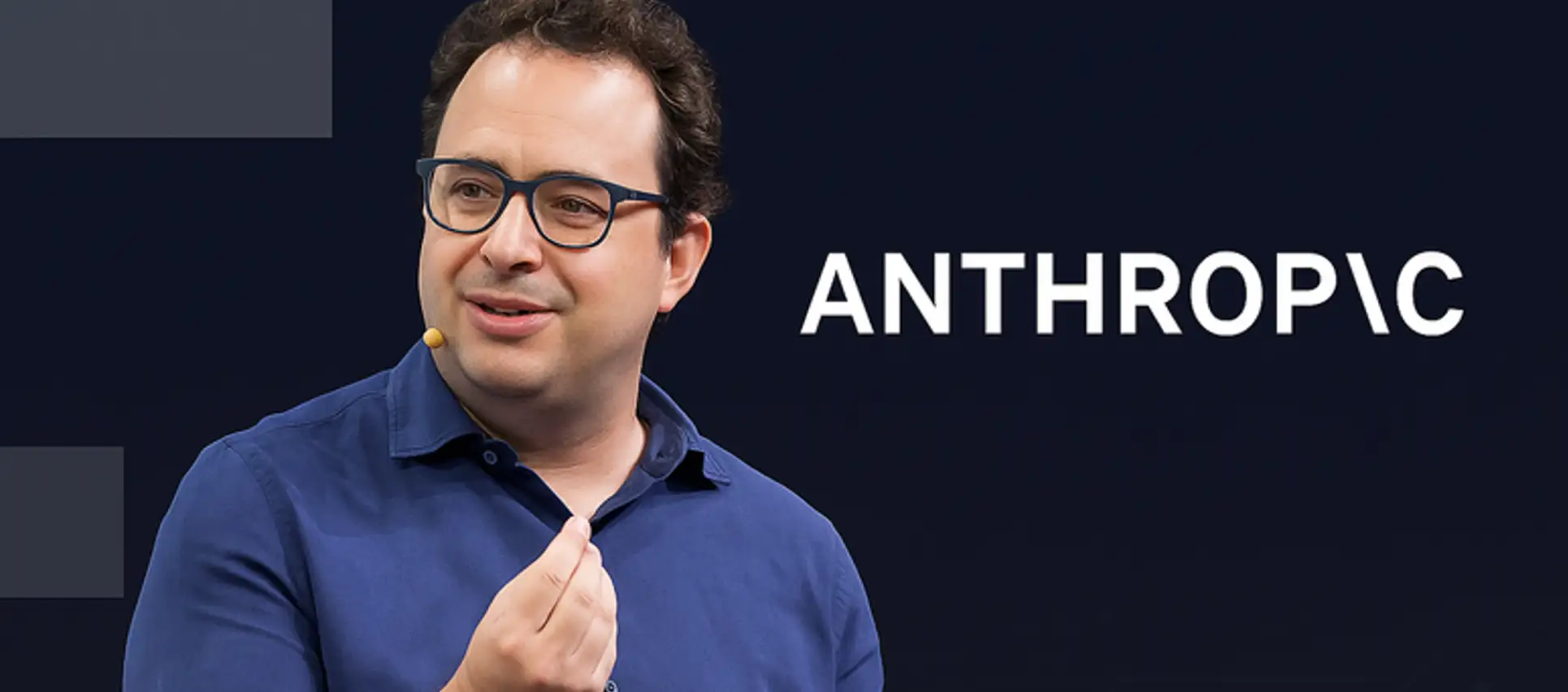
Anthropic CEO Dario Amodei has predicted that AI could help make cancer, Alzheimer’s, heart disease and mental illness “relics of the past” within a decade.
While his vision has drawn attention to AI’s potential in healthcare, scientists and pharmaceutical industry leaders have questioned whether medical research can advance quickly enough to meet this timeline.
Amodei’s prediction comes amid growing interest in using AI to accelerate drug discovery, analyse biological systems and identify potential treatments.
He has argued that the technology could usher in a new era of scientific progress, saying, “I think if we do this right, we can create an age of miracles where humanity is able to solve problems that have eluded us for millennia.”
Other technology leaders have expressed similar optimism. Google DeepMind CEO Demis Hassabis has suggested that AI could substantially shorten drug discovery timelines.
One example is AlphaFold, Google DeepMind’s AI system, which has predicted the structures of more than 200 million proteins, helping researchers investigate biological processes and potential therapeutic targets.
However, predicting protein structures is different from developing a treatment that works safely in patients. AI-generated findings must still be validated through laboratory experiments and clinical research before they can translate into established medical therapies.
The Tesla and SpaceX CEO, Elon Musk, has also predicted that AI could expand access to high-quality healthcare, potentially allowing everyone to receive medical care comparable to that available to the US President.
Yet pharmaceutical industry leaders have questioned whether the technology can meet such ambitious deadlines.
AI is already creating new opportunities in biomedical research. However, whether these advances will lead to cures for some of the world’s most challenging diseases within the next decade remains uncertain.
The outcome will depend not only on computational breakthroughs but also on clinical evidence, safety, affordability and access to effective treatments.
Stay tuned for more such updates on Digital Health News
Follow us