AI-powered Innovation to Fast-Track Indian Pharma’s Global Competitiveness: Prof Milind J Umekar

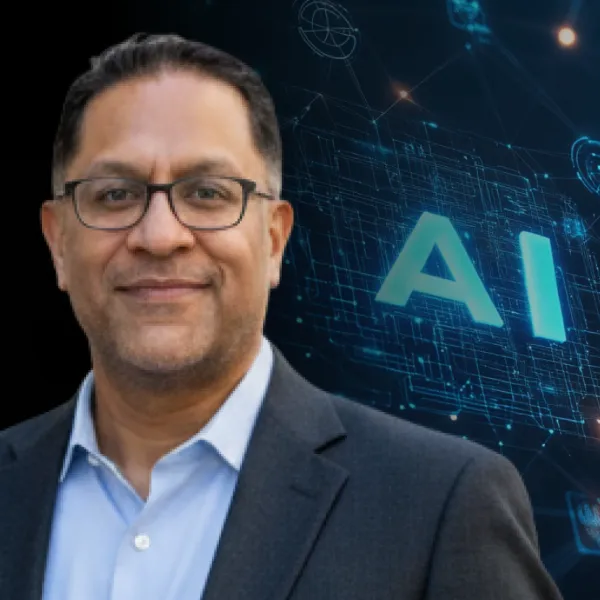
AI adoption across R&D, manufacturing, quality, and supply chains is positioning Indian pharma for faster global compliance and innovation-led growth, says IPC president Prof Milind J Umekar.
Artificial intelligence (AI)-driven innovation is emerging as a key enabler for accelerating Indian pharmaceutical companies onto the global stage, with applications spanning drug discovery, manufacturing efficiency, quality assurance, and supply chain optimisation, according to Prof Milind J Umekar, president of the Indian Pharmaceutical Congress Association and chairman of IPC 2025.
Speaking in the context of the 74th Indian Pharmaceutical Congress (IPC), Prof Umekar said the strategic deployment of AI across research and development, regulatory compliance, and operations is helping Indian pharma shift towards innovation-led competitiveness.
He noted that India’s strong digital infrastructure and scientific talent base provide a foundation for faster alignment with international regulatory standards and improved patient outcomes.
He said IPC 2025 is positioned as more than an annual professional gathering, with a continued focus on education, ethics, innovation, and professional excellence in the pharmaceutical sciences. The theme of the 74th edition—AI & Technology in Pharma: Educate, Innovate, Empower—reflects the growing role of advanced technologies in reshaping the sector.
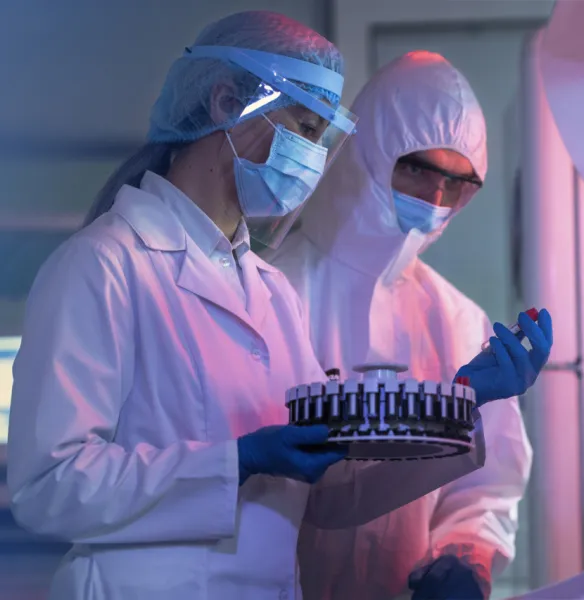
In manufacturing, AI-enabled predictive analytics are being deployed to anticipate equipment failures, reduce unplanned downtime, and improve yields, particularly in continuous manufacturing environments. Smart quality systems are analysing real-time process data to identify deviations at an early stage, supporting consistent product quality and regulatory compliance.
AI-based vision systems are also being increasingly used on production lines to inspect tablets, capsules, and packaging with a level of precision that exceeds manual inspection. According to Prof Umekar, these systems help reduce errors, recalls, and material wastage, supporting the transition of Indian manufacturing units towards smart factories that meet global regulatory expectations.
Beyond pharmaceuticals, the medical devices segment is witnessing rapid AI-led development. Intelligent diagnostic tools, smart wearables, and AI-assisted imaging systems are contributing to earlier disease detection, remote patient monitoring, and more personalised therapy. These developments are strengthening coordination between pharmacists, clinicians, and patients, while expanding the role of pharmacists in patient-centric care and device management.
Prof Umekar said IPC 2025 aims to provide students, faculty, and researchers with exposure to AI-led advances in drug discovery and development. Experts from institutions including Oxford, Harvard, IITs, IISc, and NIPERs, along with over 100 speakers from India and abroad, are scheduled to participate in the congress.
Stay tuned for more such updates on Digital Health News
Follow us