Union Health Minister JP Nadda Unveils Roadmap for AI Adoption in Healthcare
It highlights India’s digital health initiatives, such as Ayushman Bharat Digital Mission (ABDM), the IndiaAI Mission, SAHI, BODH and the National Medical Devices Policy, 2023, as important foundations.
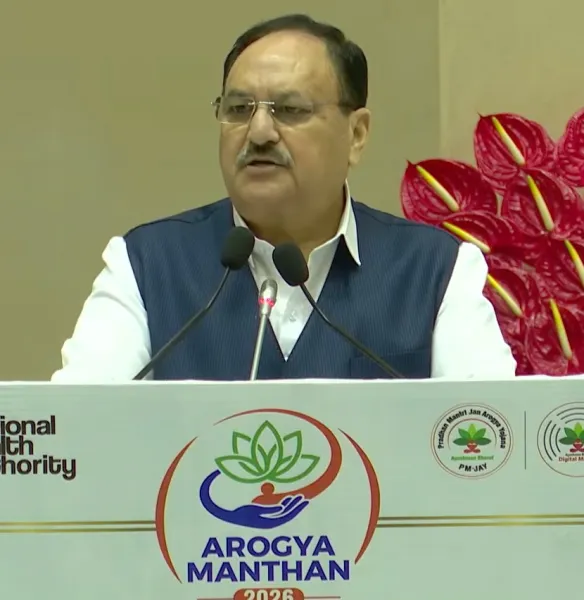
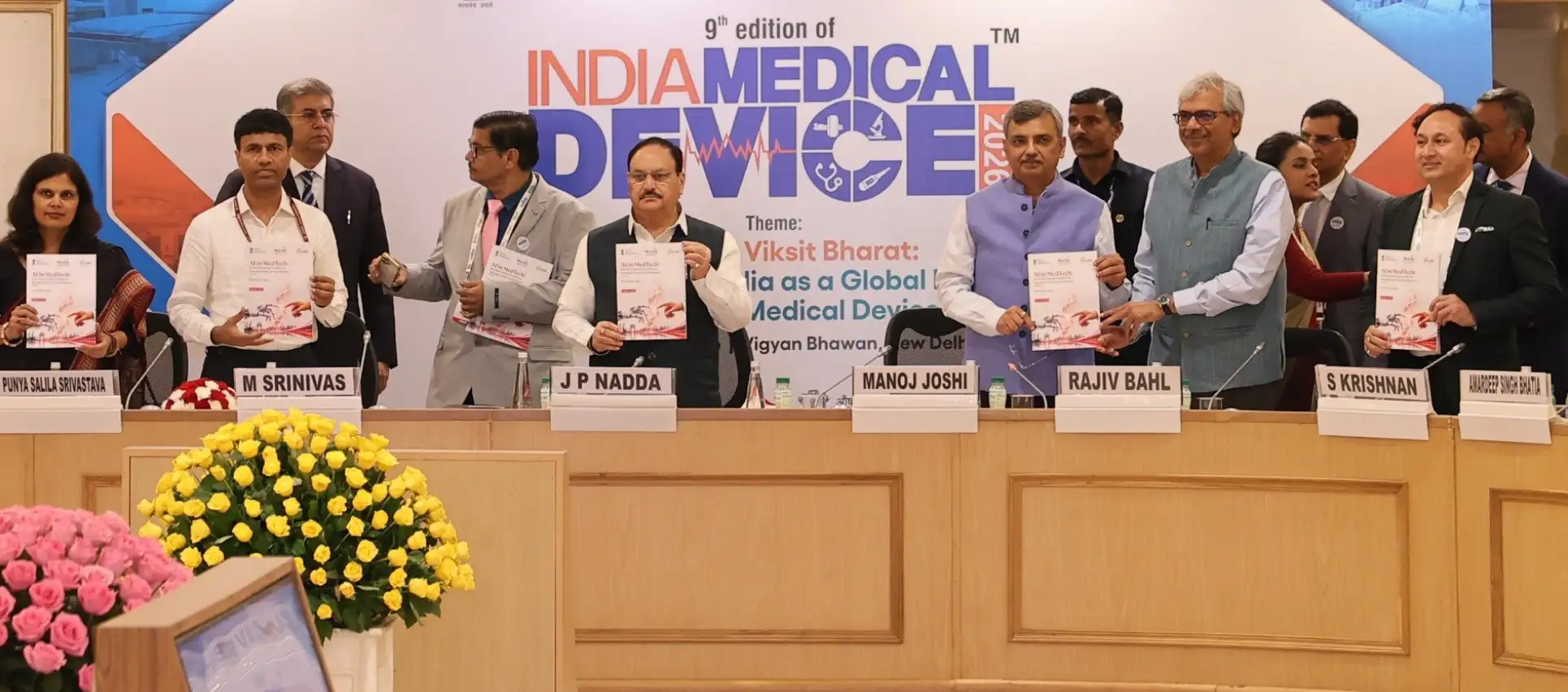
Union Minister of Health & Family Welfare Jagat Prakash Nadda has recently unveiled a roadmap for Artificial Intelligence (AI) in medical technology to accelerate responsible AI adoption in India's healthcare sector.
The roadmap, titled "AI in MedTech: Revolutionising Healthcare Through Artificial Intelligence was launched during a recent meeting chaired by the Union Health Minister.
The discussion focused on boosting innovation and investment, strengthening domestic medical device manufacturing and creating an enabling environment for Indian MedTech companies to expand their global presence.
In addition, the meeting covered the policy and regulatory measures required to make India a competitive hub for medical device development and manufacturing.
The report identifies AI's role in diagnostics, clinical decision support, operational efficiency and medical device innovation, while identifying the regulatory, policy and ecosystem interventions required to enable large-scale adoption.
It highlights India’s digital health initiatives, such as Ayushman Bharat Digital Mission (ABDM), the IndiaAI Mission, SAHI, BODH and the National Medical Devices Policy, 2023, as important foundations.
The report emphasises the need to address fragmented health data and limited evidence, establish predictable lifecycle-based regulation for adaptive AI, and develop supportive procurement and reimbursement mechanisms for the ecosystem to enable wider adoption of AI technologies across the healthcare sector.
Key Priorities
The report identifies five key priorities for accelerating the adoption of AI across India’s medical technology sector.
It identifies MedTech as one of the country’s most immediate and scalable opportunities for AI, while noting that India has established key foundations for AI leadership but needs further ecosystem development to achieve scale.
The report calls for a shift from successful pilots to routine clinical adoption by strengthening AI-ready data and evidence, lifecycle-based regulation, and procurement and reimbursement mechanisms that recognise the value of AI-enabled technologies.
It also identifies AI-enabled diagnostics as a potential early area of large-scale adoption and further emphasises coordinated action among government, regulators, healthcare providers, payers, industry and academia to support the responsible deployment of AI-enabled MedTech.
The meeting also saw participation from senior officials such as Manoj Joshi, Secretary, Department of Pharmaceuticals; Dr.M Srinivas, Member, NITI Aayog; Dr Rajiv Bahl, Secretary, Department of Health Research & Director General, ICMR; Punya Salila Srivastava, Secretary, Department of Health and Family Welfare; Amardeep Singh Bhatia, Secretary, Department of Promotion of Industry & Internal Trade (DPIIT); Dr Sunil Kumar Barnwal, CEO, National Health Authority; Anant Swarup, Secretary General, FICCI; and senior government officials
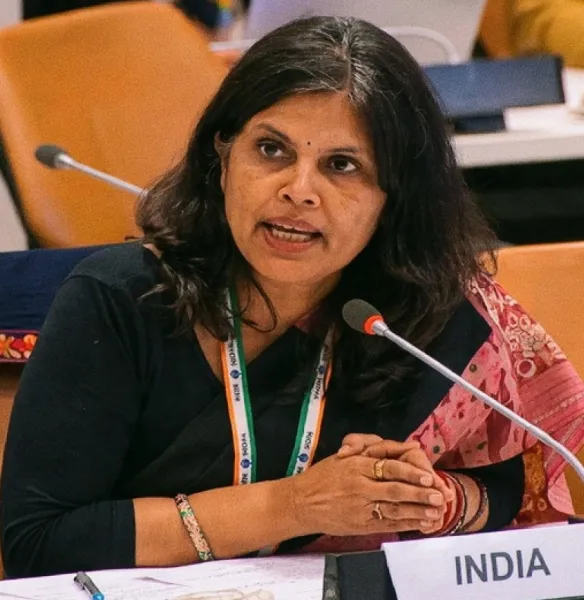
Speaking at the meeting, Dr. Sunil Kumar Barnwal, CEO, NHA, said, “India’s medical device industry will not reach its full potential unless the devices we build, approve, and export are also fluent in the digital language of the health system they serve. ABDM is that language.”
Dr. Barnwal called upon device manufacturers to integrate with ABDM and adopt interoperability standards such as SNOMED CT and Common Lab Codes for India (CLCI).
He further emphasised deeper collaboration between government and industry to advance India’s Health AI ambitions and leverage the country’s digital public infrastructure, talent and innovation capabilities to develop globally relevant healthcare solutions.
Stay tuned for more such updates on Digital Health News
Follow us