




Telemedicine Earns Strong Satisfaction from Tribal Patients in Rural Rajasthan, Study Finds
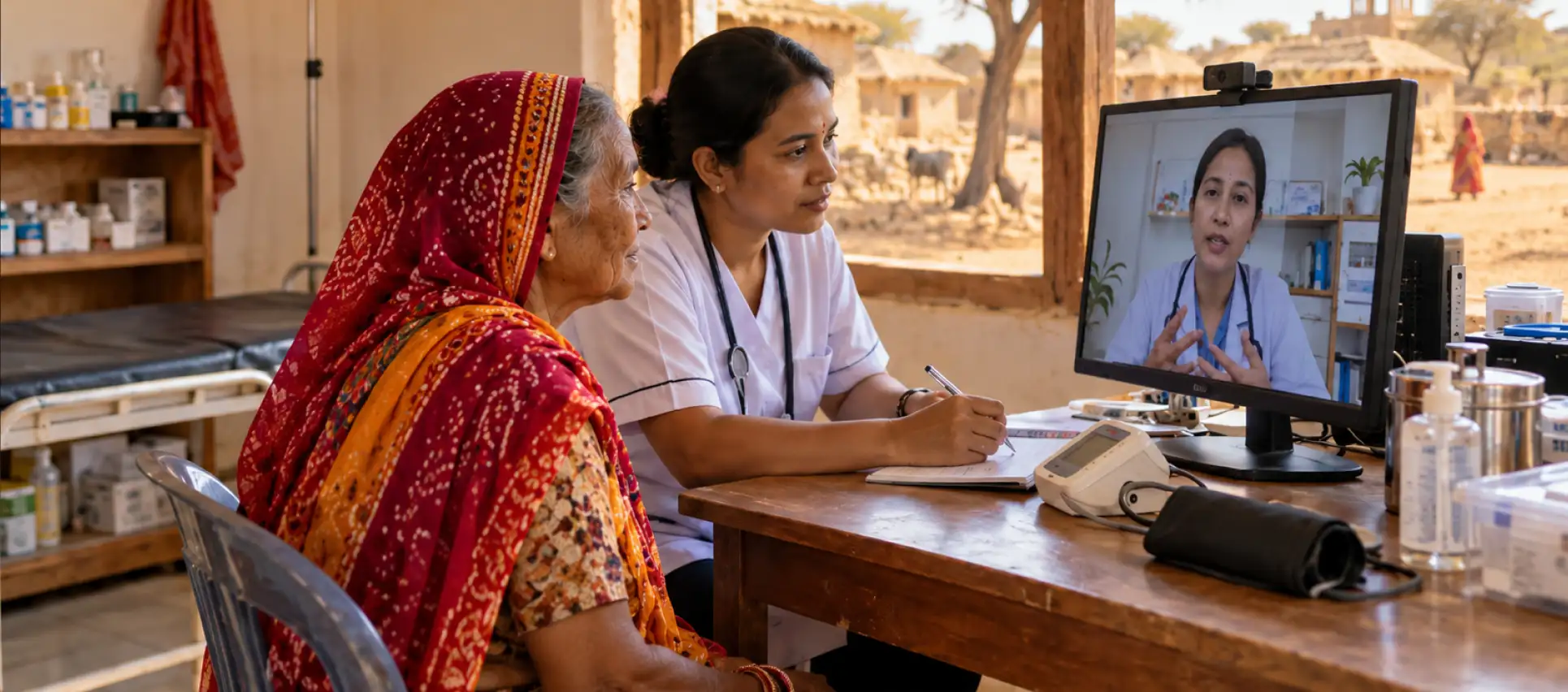
Patients reported positive experiences across the measured domains, especially voice quality, staff courtesy, convenience, accessibility, and communication.
A study led by AIIMS Jodhpur has found that tribal patients in Rajasthan have reported high satisfaction with telemedicine consultations, highlighting the potential of telemedicine to improve access to specialist healthcare in remote and underserved communities.
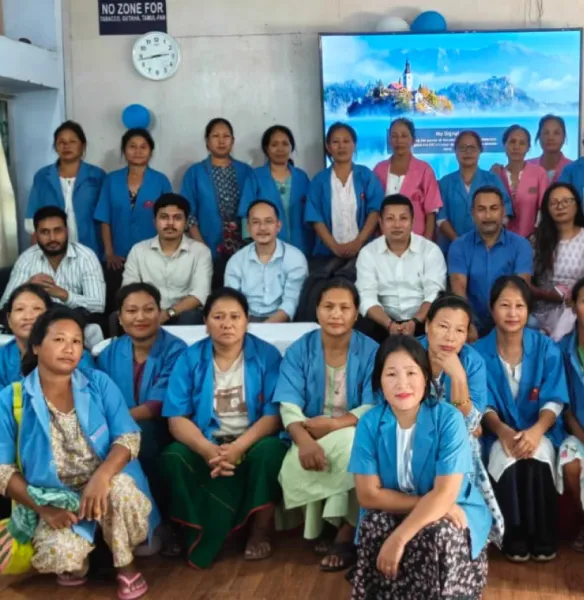
The study was conducted at the Satellite Centre for Tribal Health and Research (STHR) in Abu Road, Sirohi district, established to improve healthcare access for the region’s tribal population.
The centre connects patients with specialist consultants from AIIMS Jodhpur, reducing the need for long-distance travel to access tertiary care.
Between February 2022 and May 2024, 4,570 tribal patients accessed telemedicine services at the centre. Of these, 3,704 patients (81%) completed the satisfaction survey.
Patients reported consistently positive experiences across the measured domains. Satisfaction scores ranged from 2.00 for voice quality to 2.31 for the courtesy of telemedicine staff on the three-point scale.
The qualitative findings reinforced this pattern, identifying convenience, accessibility, and communication as major themes.
However, technology-related limitations remained evident. Voice quality received the lowest satisfaction score, while poor or inconsistent internet connectivity was repeatedly identified by patients as a challenge.
The researchers therefore highlighted reliable connectivity and better audio quality as important areas for strengthening rural telemedicine services.
The STHR initiative has received support from the Ministry of Tribal Affairs and the Tribal Area Development Department, Government of Rajasthan, with the objective of extending quality healthcare to tribal communities through technology-enabled services.
The researchers concluded that the high satisfaction levels demonstrate the potential of telemedicine to serve marginalised populations, provided technological and communication barriers are addressed.
The findings also suggest that improving infrastructure, particularly network reliability and voice quality, could further strengthen the adoption and sustainability of telemedicine among tribal patients.
Stay tuned for more such updates on Digital Health News
Follow us