


India’s Medical Device Sector Grows More than 100%, Sector Reaches $18 Bn
Chhibber also highlighted the need for greater focus on patient safety, ethical marketing practices and pricing, while calling for regulators to recognise the differences between medical devices and pharmacology.
India’s medical device sector has grown from a $5 billion industry in 2020-21 to $18 billion today, with manufacturing increasing by more than 100% as the industry moves towards greater self-sufficiency, according to Dr Rajiv Chhibber, Joint Forum Coordinator, Association of Indian Medical Device Industry (AiMeD).
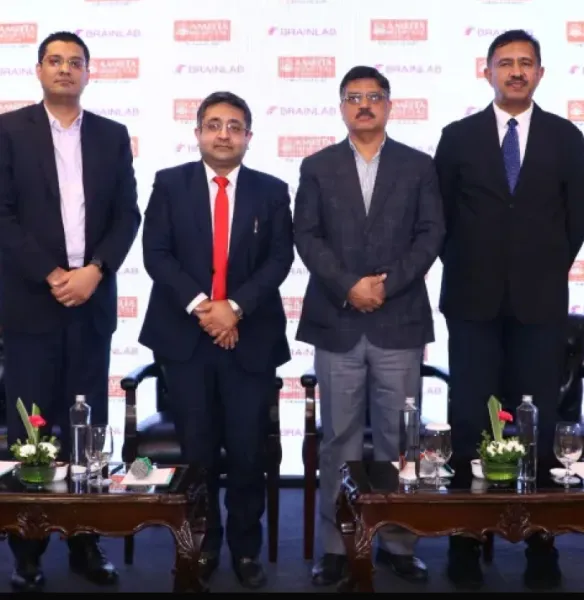
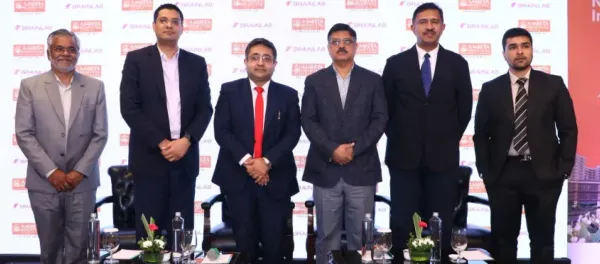
Speaking at a recent event, Chhibber said the sector’s growth has been supported by policies of the central and state governments, including the Production Linked Incentive (PLI) and PRIP schemes. He also said Indian medical exports now reach around 187 countries.
“The medical device sector has grown into a significant industry. In 2020–21, it was a $5 billion sector, and today it has grown to $18 billion. For a long time, medical devices were considered an import-dependent sector, but with the policies of the central and state governments, the industry is moving towards self-sufficiency. Manufacturing has increased by more than 100% in India, supported by initiatives such as the PLI and PRIP schemes. Today, our medical exports reach around 187 countries. The medical device sector, which was once seen as a smaller subsector of the pharmaceutical industry, has become an integral part of the healthcare sector.”
Chhibber also highlighted the need for greater focus on patient safety, ethical marketing practices and pricing, while calling for regulators to recognise the differences between medical devices and pharmacology.
“We also need to focus on patient safety, ethical marketing practices and pricing, with the NPPA taking pricing-related matters seriously. Regulators must understand that medical devices are different from pharmacology. As technology advances, manufacturers need encouragement to invest in innovation, while ensuring that medical technology remains affordable in terms of both price and quality.”
The growth of India’s medical device sector was also linked to the country’s expanding role in global MedTech manufacturing and supply. Lars Wismer, Regional Head of Messe Düsseldorf for Asia (MDfA), said India has moved from being a major importer to a market where more production is taking place.
“India is definitely a growing market of the future, and we at Messe Düsseldorf for Asia are particularly focused on the country in the MedTech sector. India has come a long way from being a major importer to a market where more and more production is taking place. It is becoming a MedTech powerhouse, not only for the region but also for the world. Compared to Europe, the adoption rate in Asia is much higher, making Asian economies, especially India, an important market. India plays a significant role, not just as a customer but also as a manufacturer and supplier.”
Wismer also said such platforms can support knowledge exchange and discussions around new products, innovation and developments in healthcare.
“Medical Fair India provides a platform for knowledge exchange. It is not just about bringing new products and innovations together with buyers, but also about exchanging ideas, experiencing innovation and creating conversations around these developments.”
The discussions also covered the need for policies that support investment in medical device manufacturing, including capital expenditure and operational expenditure, while addressing the requirements of smaller enterprises and larger manufacturers.
Stay tuned for more such updates on Digital Health News
Follow us