How the Medical Robotics Market in India is Changing Healthcare?

How the Medical Robotics Market in India is Changing Healthcare?
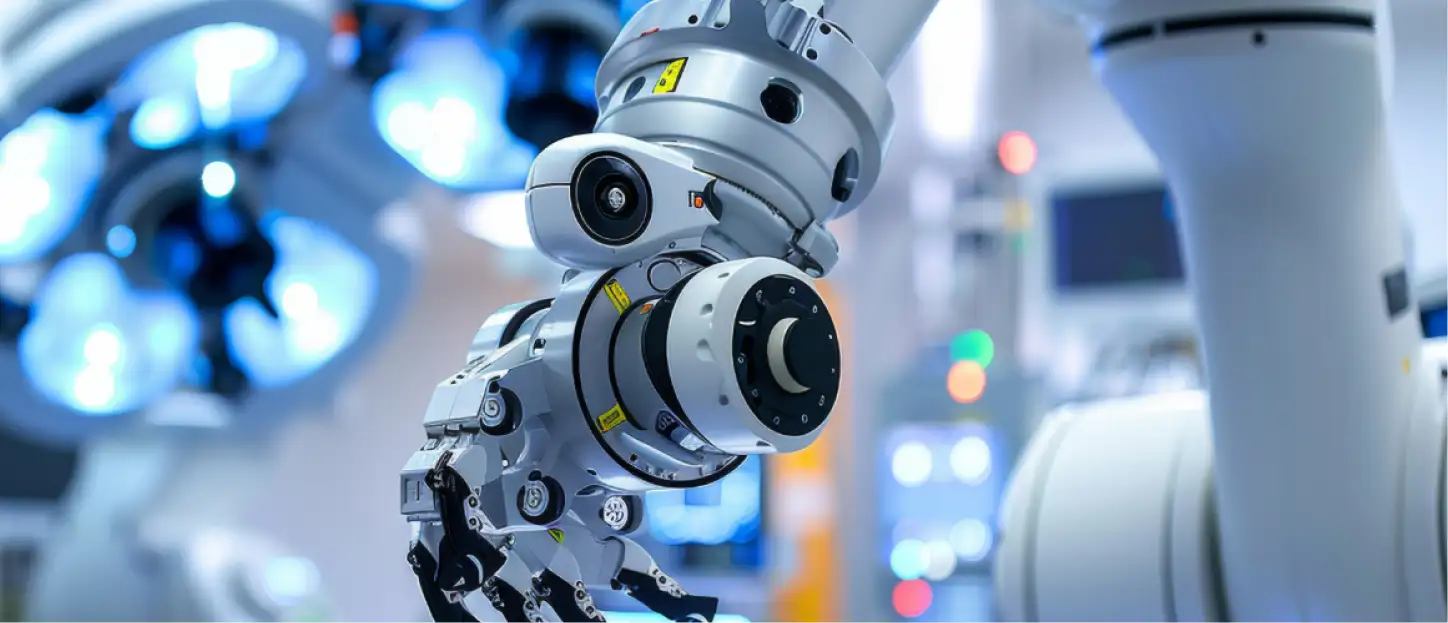
The medical robotics market in India is becoming an important part of modern healthcare systems. Hospitals are increasingly using robotic technologies to improve accuracy, reduce risks, and handle a growing number of patients. With rising investments and technological advancements, robotics is influencing how healthcare services are delivered across the country.

Recent data shows that this transformation is backed by strong market growth, increasing adoption in hospitals, and improvements in surgical and diagnostic procedures. As a result, medical robotics is gradually moving from advanced private hospitals to wider healthcare settings in India.

Growth of the Medical Robotics Market in India

India’s medical robotics market is expanding at a rapid pace, supported by strong data from industry reports. The market was valued at around USD 1.32 billion in 2024 and is expected to reach USD 8.12 billion by 2033, growing at a CAGR of about 20.6%. This highlights how quickly robotics is being adopted in healthcare.

Another estimate shows that the medical robotic systems segment alone could grow from USD 170.4 million in 2025 to USD 815.1 million by 2033, with a CAGR of 21.4%. This indicates strong demand across different types of robotic systems, including surgical and service robots.

This growth is mainly driven by increasing demand for minimally invasive procedures, rising chronic diseases, and improved healthcare infrastructure. As more hospitals adopt robotic systems, the market is expected to continue expanding in both urban and semi-urban areas.

Role of Robotics in Modern Healthcare

Medical robotics is changing how healthcare services are delivered by improving precision and efficiency. Robotic systems are widely used in surgeries, rehabilitation, diagnostics, and hospital management processes.

In surgical care, robotics plays a major role. India has over 300 surgical robots installed across hospitals and performs around 60,000 robotic procedures annually. These numbers show how robotic-assisted surgeries are becoming more common in clinical practice.

Robotics is also improving patient care beyond surgeries. In rehabilitation, robotic devices help patients recover mobility after strokes or injuries through consistent therapy. Hospitals are also using robots for logistics, such as medicine delivery and disinfection, which reduces workload on healthcare staff.

Technological Advancements Driving Adoption

Technological advancements such as artificial intelligence (AI), machine learning, and advanced imaging systems are making medical robotics more effective. These technologies help improve decision-making, accuracy, and overall patient outcomes.

AI-powered robotic systems can analyze large datasets to assist doctors in diagnosis and treatment planning. This leads to better precision during surgeries and improved healthcare results. Imaging technologies also allow surgeons to perform procedures with greater clarity and control.

Another important trend is the development of indigenous robotic systems in India. For example, locally developed systems are being used to reduce dependency on imports and lower costs. These advancements are helping expand access to robotic healthcare technologies across more hospitals.

Key Applications of Medical Robotics

Medical robotics is used in several key areas, each contributing to improved healthcare delivery. Surgical robotics remains the largest segment, accounting for a major share of the market.

Data shows that the surgical robotics segment alone generated around USD 169.1 million in 2024 and is expected to reach USD 569 million by 2033, growing at a CAGR of 14%. This highlights its importance in the overall robotics ecosystem.

Another growing application is telesurgery. The Indian telesurgery market was valued at USD 35.36 million in 2024 and is projected to reach USD 177.96 million by 2033, growing at a CAGR of 18.14%. This shows how remote surgeries could improve access to healthcare in underserved regions.

Benefits for Patients and Healthcare Providers

Medical robotics offers several benefits for both patients and healthcare providers. For patients, robotic-assisted procedures often result in smaller incisions, less pain, and faster recovery times.

For healthcare providers, robotics improves precision and reduces the chances of human error. It also allows surgeons to perform complex procedures more efficiently. This leads to better outcomes and improved use of hospital resources.

Another key benefit is consistency in care delivery. Robotic systems can perform repetitive tasks with high accuracy, which is especially useful in high-volume hospitals. This helps maintain quality standards across treatments.

Despite strong growth, there are still challenges in adopting medical robotics in India. One of the biggest barriers is the high cost of robotic systems, which limits their use in smaller hospitals.

Another challenge is the lack of trained professionals. Operating robotic systems requires specialized training, and there is still a shortage of skilled personnel in this area. Without proper training, adoption may remain limited.

Infrastructure and accessibility issues also affect adoption. While large hospitals are adopting robotics quickly, smaller healthcare centers still face limitations. Addressing these challenges will be important for wider use of robotic technologies.

Future Outlook of Medical Robotics in India

The future of medical robotics in India looks promising, with strong growth expected across multiple segments. The surgical robotics market alone is projected to grow at around 10% CAGR through 2036, driven by increasing adoption in hospitals.

Advancements in telesurgery, AI integration, and remote healthcare technologies are expected to further expand the role of robotics. These developments can help improve access to specialized care in rural and underserved areas.

Overall, as costs reduce and awareness increases, medical robotics is likely to become a standard part of healthcare delivery in India, supporting better outcomes and improved efficiency.

Conclusion

The medical robotics market in India is steadily changing healthcare through improved precision, efficiency, and accessibility. Strong growth data, increasing adoption, and technological advancements highlight its growing importance.

From surgical procedures to remote healthcare solutions, robotics is influencing multiple aspects of medical care. While challenges such as cost and training remain, continued innovation and investment are expected to drive wider adoption across the country.

Stay tuned for more such updates on Digital Health News

Follow us

More Articles By This Author


Show All

Sign In / Sign up