Aravind Eye Hospital Doctor Develops Low-Cost Smartphone Tool for Remote Cataract Detection
The doctors now plan to evaluate additional imaging methods, AI-assisted cataract grading, and the platform's performance in other geographic settings.
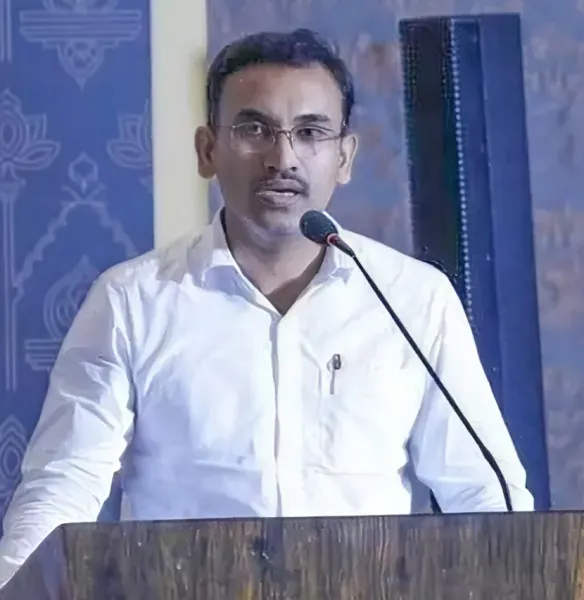
Dr Prabhu Krishna Ravilla, a medical officer at Aravind Eye Hospital in Madurai, and his colleagues have developed a small, portable attachment that clips onto an Android smartphone to support remote cataract screening in rural communities.
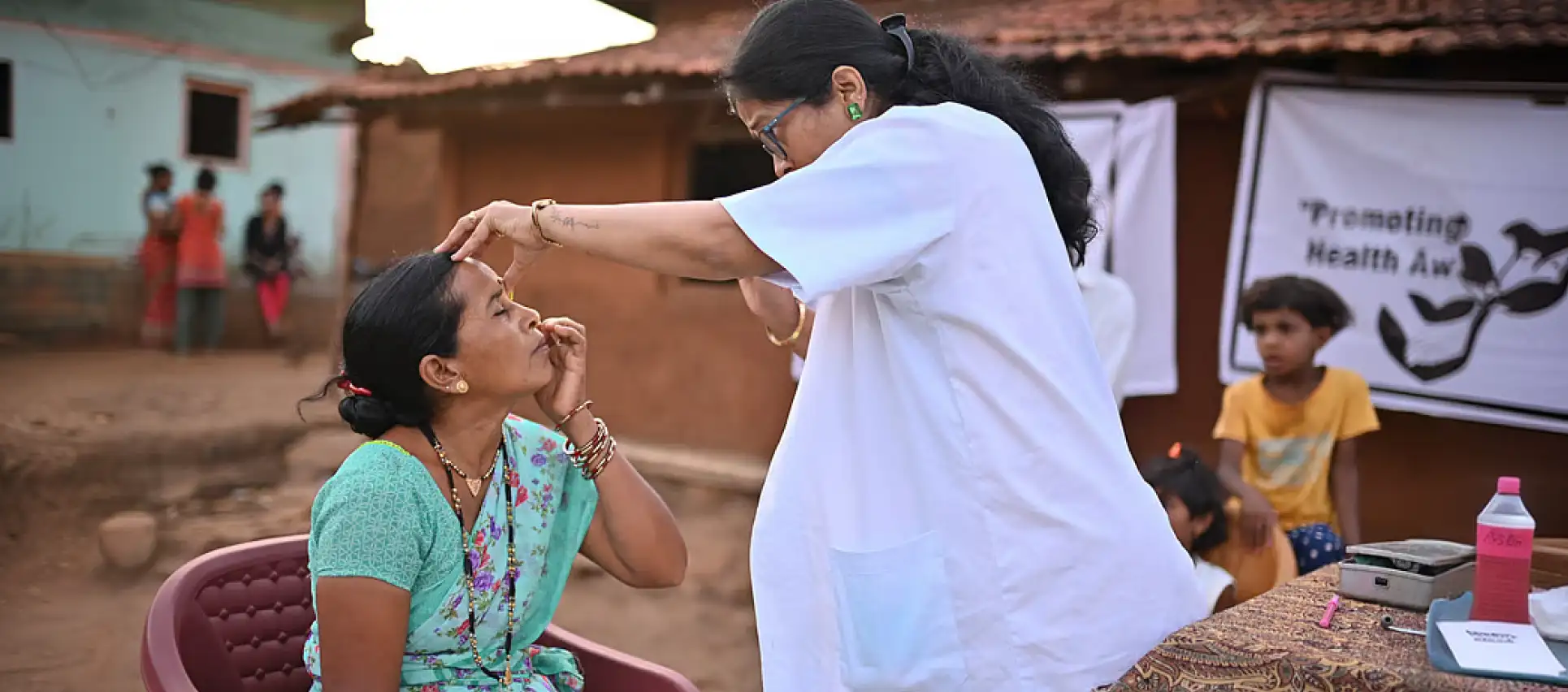
The portable smartphone attachment enables trained community health workers to capture eye images for remote review by ophthalmologists.
Paired with a mobile application designed for telemedicine in low-bandwidth areas, the platform is available in English and Tamil and costs less than GBP 150, including the phone.
Speaking at a recent international meeting, Dr Ravilla said the technology could help identify cataract, pterygia, and other eye conditions among people living in remote rural areas.
"We hypothesised that a low-cost, easy-to-use smartphone imaging device could allow community health workers-people with minimal ophthalmic training-to capture diagnostic-quality eye images in the field, which could then be reviewed remotely by ophthalmologists. This would decouple the need for a specialist to be physically present at every screening," Dr Ravilla said.
Following three hours of training, community health workers screened 1,093 patients across 19 rural eye camps near Pondicherry in Tamil Nadu. Remote ophthalmologists reviewed the smartphone images, while other ophthalmologists independently assessed patients in person at the same camps.
"The most clinically important finding was that when the remote ophthalmologist reviewed the smartphone images and the in-person eye camp doctor independently decided whether a patient needed to be referred to hospital for further care, they agreed in 96 out of every 100 cases," Dr Ravilla added.
The two assessments showed substantial agreement in detecting cataract and mature cataract.
The researchers now plan to evaluate additional imaging methods, AI-assisted cataract grading, and the platform's performance in other geographic settings.
The team noted that the technology is not intended to replace a comprehensive ophthalmological examination but could help extend remote eye screening to underserved communities.
Stay tuned for more such updates on Digital Health News
Follow us