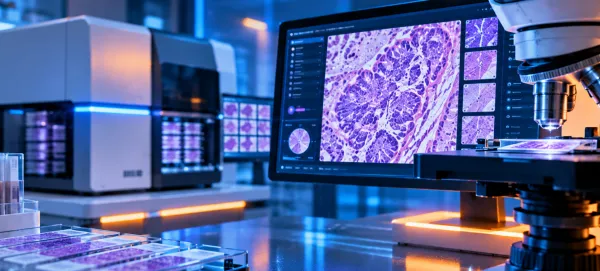
From Symptoms to Diagnosis in Seconds: Inside the World of AI Doctors
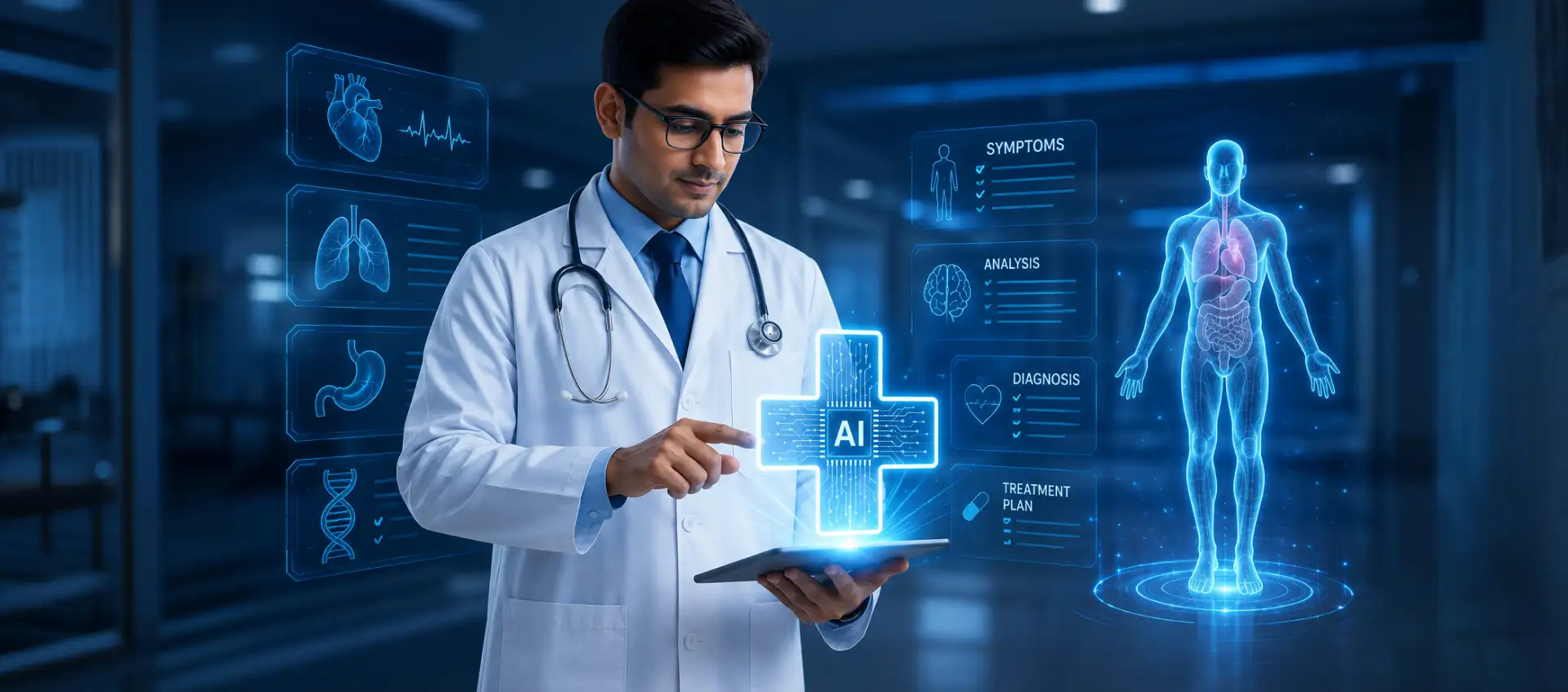
A cough. A retinal photograph. A chest X-ray. A few symptoms entered into a digital system. What if these could be analysed in seconds and not by replacing a doctor, but by giving that doctor an intelligent second pair of eyes? This is the promise of artificial intelligence in healthcare. What once required hours of examination, specialist review and diagnostic interpretation is increasingly being supported by algorithms capable of processing enormous volumes of medical information almost instantly.
The idea of an “AI doctor” may sound like science fiction, but AI is already entering real-world healthcare. From screening diabetic eye disease to supporting tuberculosis detection and assisting doctors during teleconsultations, artificial intelligence is moving from research laboratories into hospitals, clinics and even primary healthcare centres.
The bigger question is no longer whether AI can enter the doctor's room. How much of the diagnostic journey can it transform?
What Makes an AI Doctor?
An AI doctor is not necessarily a humanoid machine replacing a physician. In healthcare, the term broadly refers to AI-powered systems that can analyse symptoms, medical histories, scans, laboratory results, images and other clinical information to assist healthcare professionals. Some systems are trained to recognise patterns in medical images. Others can analyse patient information and suggest possible diagnoses or identify patients who may require urgent attention. Newer generative AI systems can process multiple types of information and interact with users in a more conversational way.
The distinction is important: AI can assist with diagnosis, but it does not automatically become the doctor. Human expertise remains essential for interpreting results, understanding patient context and making treatment decisions.
And that distinction may ultimately define the future of medical AI and not doctor versus machine, but doctor plus machine.
What is AI Doing to Accelerate the Diagnosis Process?
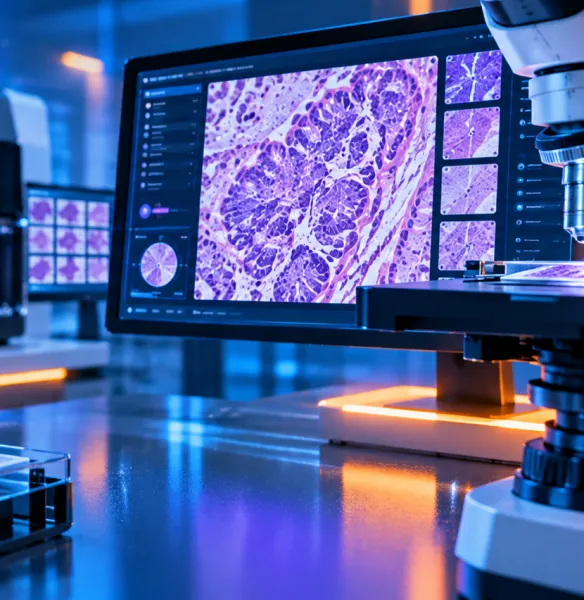
The diagnosis can take several steps, such as consultation, testing and interpretation. AI is starting to speed up some of this work. Algorithms can be used to identify potentially abnormal cases in medical imaging, such as analysing retinal photographs, X-rays and CT scans. AI can also help to sort out patient data and suggest potential conditions for physicians.
For a moment it's not just the speed. It is assisting physicians in detecting possible issues sooner and directing the physician's attention to the areas in which it is needed.
Where Does It Work Now?
India is increasingly turning to AI tools to overcome the diagnostic issue.
For example, MadhuNetrAI is an AI tool that analyzes retinal images to detect diabetic retinopathy for screening. The Ministry of Health and Family Welfare, India, reported that the system had been adopted in 38 facilities in 11 states, examined over 14,000 retinal images during the specified period.
AI is also a research avenue for screening tuberculosis. AI-powered cough analysis is being leveraged for the Cough Against TB initiative in India, adding an extra 12-16% to the detection in government screening.
These examples illustrate a broader potential: that AI can help to make specialist-level screening more accessible to patients, even in areas where there are limited specialists.
Innovators are leveraging AI to provide the second pair of eyes. Innovators are using AI as a second pair of eyes.
Perhaps the most significant contribution of AI in healthcare is not to make decisions on its own, but to alert doctors to things they might overlook.
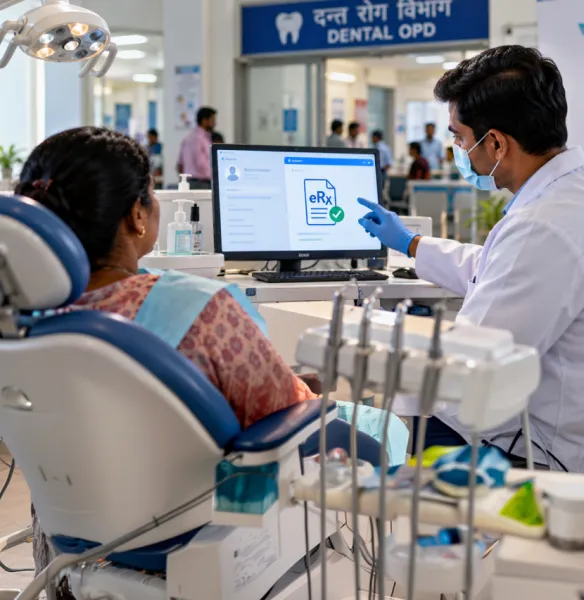
An algorithm can alert to a suspicious scan, alert to a potential risk or arrange a patient's clinical history prior to a consultation. The eSanjeevani platform of India has also integrated AI-powered clinical decision support to support physicians in teleconsultations. This can translate into more time for clinicians to spend understanding their patient instead of sorting through information.
Why Trust Matters in the Machine Age
AI diagnostics holds the greatest promise in terms of access. If a patient lives in an area with limited access to an ophthalmologist, radiologist or other specialist, then they may not be able to get to a doctor right away. AI screening can aid in the identification of high-risk cases locally and identify those who require further specialist evaluation. It may also help to minimize diagnostic delays, assist overburdened healthcare workers and enable screening programmes to be more scalable. Where early detection is important, even a quicker referral can make a difference in diseases.
WHO has consistently called for the safe, ethical and equitable use of AI in healthcare. The diagnosis cannot be made faster at the expense of the safety.
What's Next?
The future of AI in healthcare is shifting towards more extensive capabilities, including the ability to interpret a combination of symptoms, medical images, lab reports, and clinical notes. AI could play an even more important role in triage, personalised treatment, clinical documentation and ongoing health monitoring.
The future might not be as independent as an AI doctor but more as an AI doctor with human judgment.
The path from symptoms to diagnosis is already undergoing a transformation due to AI. Its uses are progressing from trials to the clinic ,diabetic eye screening, tuberculosis detection, telemedicine and clinical decision support. However, medicine is not “just” pattern recognition! It takes empathy, context, experience and accountability.
The future of health care may not be AI vs. doctors, but AI and doctors, assisting doctors to detect sooner, to decide better and to offer quality health care to patients who may otherwise be out of the reach of dedicated health care.
Stay tuned for more such updates on Digital Health News
Follow us