Online Reservation System at Hospitals (ORS): A Simple Idea That is helping millions of patients

Online Reservation System at Hospitals (ORS): A Simple Idea That is helping millions of patients
Online Reservation System (ORS) is something many people may not have heard of, yet it has quietly transformed how millions access healthcare in India. I want to share the story of how this system came to be, a story that shows how simple, thoughtful digital interventions can remove deep-rooted inefficiencies and ease the lives of people who suffer the most.

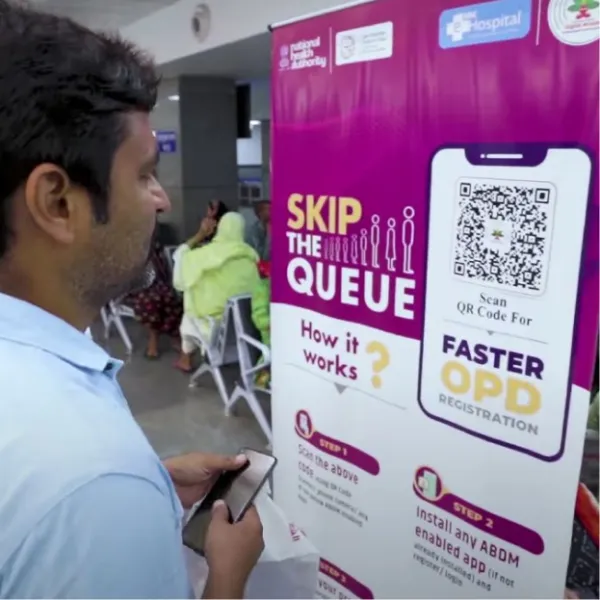
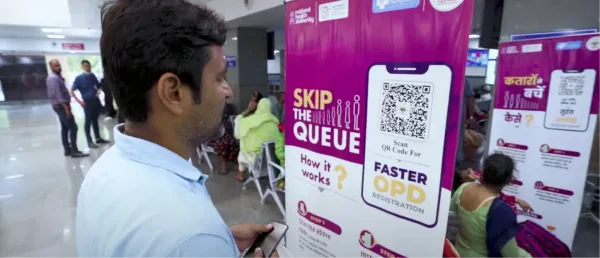
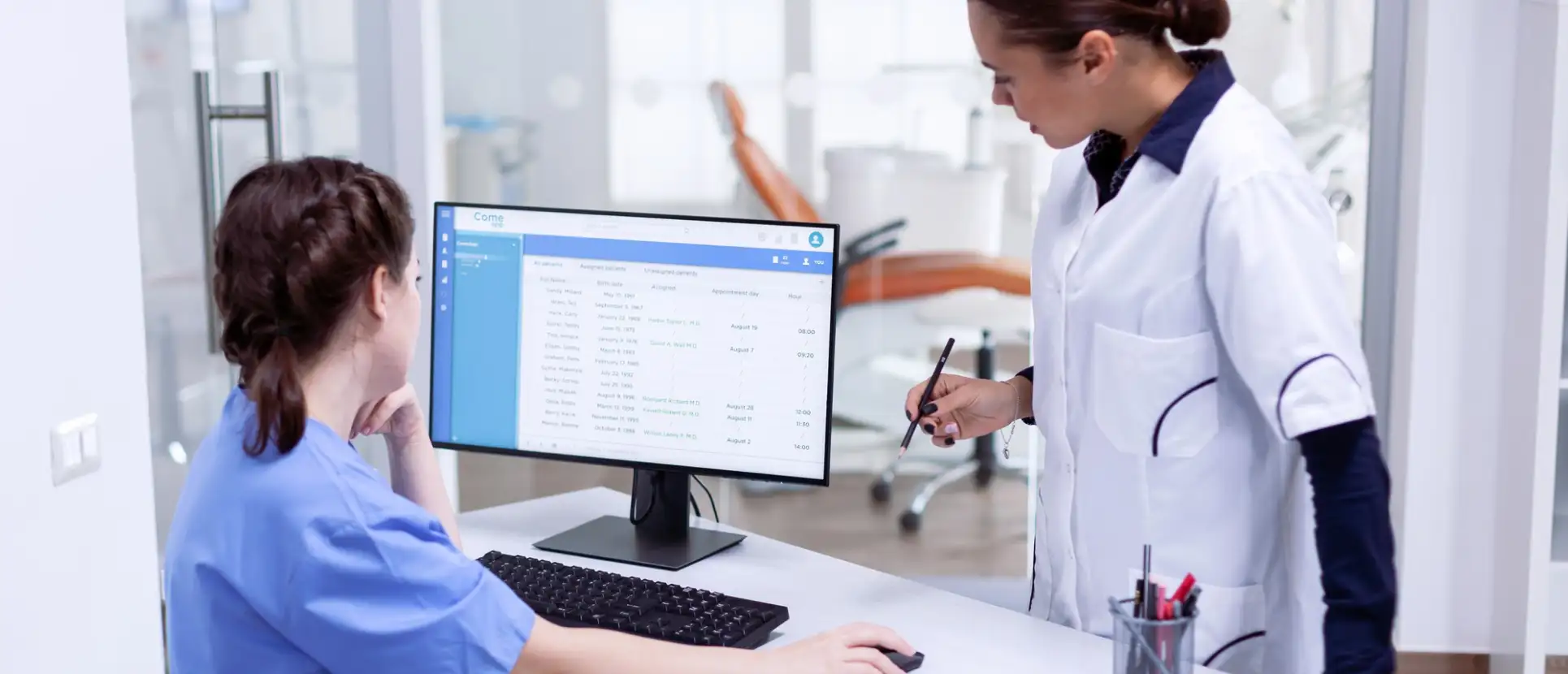
ORS is a facility that allows patients to book appointments with doctors in public hospitals online. While those visiting private hospitals are familiar with online appointment systems, what is less known is that a large number of government hospitals now offer this capability too.

As described on the site:

“Online Registration System (ORS) is a framework to link various hospitals across the country for online appointment system where counter-based OPD registration and appointment system through Hospital Management Information System (HMIS) has been digitalized. The application has been hosted on the cloud services of NIC. Portal facilitates online appointments with various departments of different hospitals using ABHA (Ayushman Bharat Health Account).”

The scale today speaks for itself. More than 2,406 hospitals now provide online registrations under ORS, and over 1.25 crore appointments have been booked cumulatively. AIIMS Delhi alone handles about 2,500 online appointments per day. Hospital-wise statistics are publicly available on the dashboard:

You may ask: What is new or special about this system in a country where everything is going digital anyway? To understand that, let me narrate how and why ORS was built—at a time when it was anything but obvious.

The Problem: Human Misery in Queue Form

I took charge as Secretary, Department of Electronics and Information Technology (DeitY) in May 2014. One morning in February 2015, I was sitting with Mr. V. Srinivas (now Chief Secretary of Rajasthan), then Deputy Director (Administration) at AIIMS, New Delhi. I had gone there to request help for the admission of a relative.

What struck me more than anything else was the sheer human suffering at the hospital gates. There were massive crowds, long queues before the counters, and exhausted families, many of whom had travelled from faraway towns and had nowhere else to go. Srinivas explained that patients queued up from the crack of dawn for a limited number of OPD slots. If they did not succeed, they had to return the next day, often even earlier.

Where there is misery, intermediaries thrive. Middlemen had begun exploiting the situation by selling pre-booked appointments, worsening inequity and corruption. Moreover, when patients did not turn up for their slots, the system wasted precious consultation capacity.

I left the hospital that day deeply disturbed by the plight of the sick and the poor—people who came to AIIMS as their last hope, only to face yet another obstacle in the form of chaotic queues.

The Idea: Can Technology Remove this Pain?

The question was simple: What if patients could book an appointment online and come only at the appointed time? This would save time, money, and distress. But two challenges had to be addressed:

  1. Fake or proxy bookings, which created space for middlemen.
  2. No-shows, which wasted scarce appointment slots.

Solving Fake Bookings

We addressed the first issue through OTP-based authentication using Aadhaar-linked mobile numbers. Once a patient entered the OTP verified by UIDAI, the appointment became non-transferable. Booking timestamps ensured that appointments could not be rearranged later, creating a transparent, auditable sequence.

Solving No-Shows

No-shows were tackled through a workflow that reconfirmed patient intent closer to the appointment date, freeing up unused slots for others.

This thinking evolved into what became the Online Reservation System (ORS).

Building ORS: Technology + Institutional Champions

After my discussion with Srinivas, we formed a small NIC team, with him as an active and enthusiastic partner.

One lesson I have learned repeatedly in government technology projects is this: Technology is necessary, but not sufficient. What truly matters is a champion inside the department who believes in the change. Without such ownership, even the best digital solutions fail to take root.

We have seen this repeatedly—DBT in LPG succeeded because of the commitment of Neeraj Mittal, then JS (Petroleum). Jeevan Pramaan scaled due to strong ownership within the Department of Pensions. ORS needed similar institutional support, and AIIMS provided it.

From a Small Beginning to a Nationwide Platform

We started modestly within AIIMS. At the time (2015), smartphone access in rural India was limited, so we did not build a mobile app initially. Instead, we leveraged the vast network of Common Service Centres (CSCs) run by village-level entrepreneurs, ensuring that rural patients, too, could access online appointments.

The backend was hosted on NIC’s Meghraj cloud, enabling seamless scalability as more hospitals joined.

Once AIIMS' system stabilized, we began onboarding other hospitals. With its cloud architecture, ORS could expand quickly, and new features were integrated step by step. The system was formally launched by the Prime Minister on 1 July 2015, as part of the Digital India initiative.

Today, ORS spans thousands of hospitals and has facilitated over twelve million appointments—each representing a patient who avoided standing in a harsh queue.

Continuous Evolution

Since its launch, ORS has continued to evolve. New capabilities added include:

  • Online appointments for tele-consultation
  • ABHA ID generation
  • Automated workflows for diagnostic reports
  • Digitisation of OPD records
  • Enhancements to the appointment and registration system

It has grown from a simple idea into a robust national digital health infrastructure component.

Conclusion

The story of ORS is a reminder that technology, when applied with empathy and thoughtful design, can reduce human suffering at scale. What began as an attempt to ease the burden on patients at AIIMS has today become a nationwide system enabling millions to access healthcare with dignity, certainty, and convenience.

Stay tuned for more such updates on Digital Health News

Follow us

More Articles By This Author


Show All

Sign In / Sign up