Nanomedicine to Drive Next Generation of Precision Medicine: Union Minister Jitendra Singh
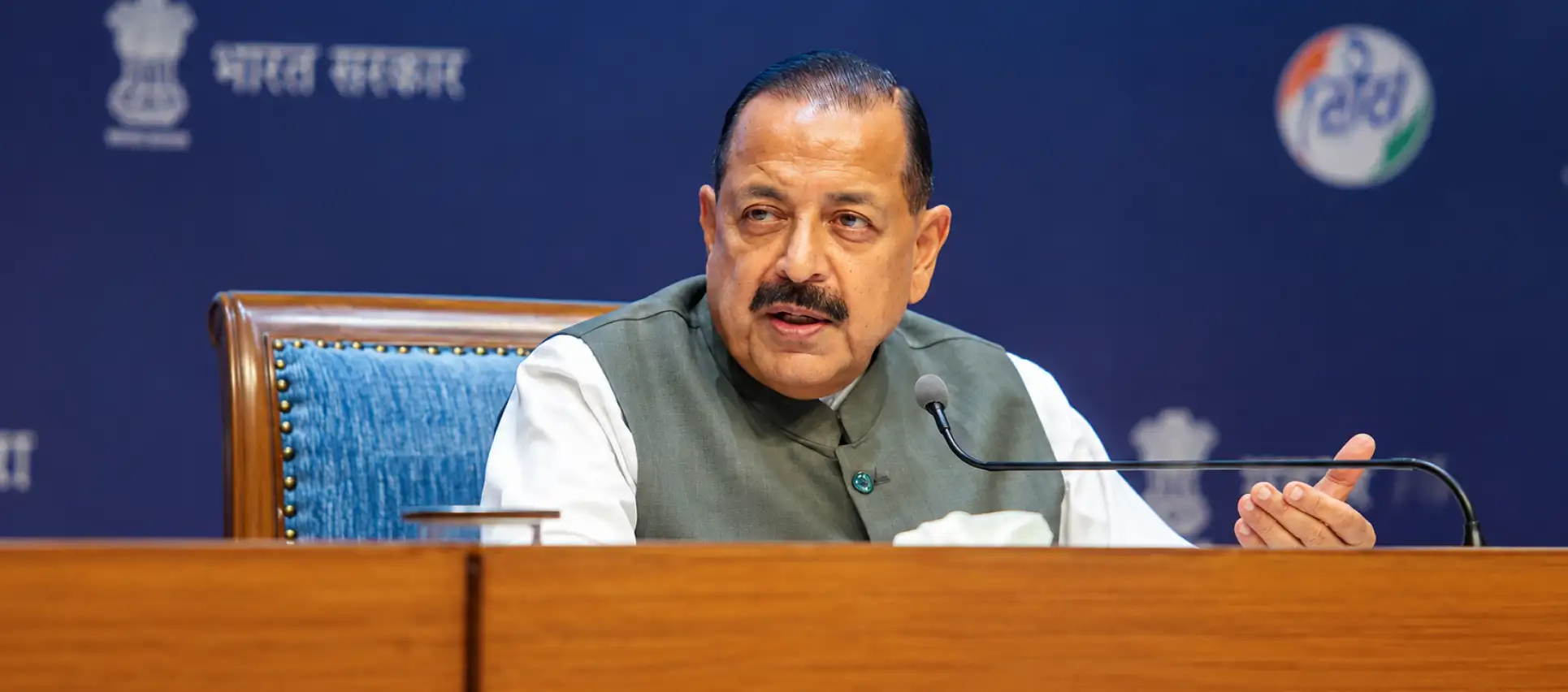
The Minister also highlighted the Government’s support for nanomedicine research. He said the Department of Biotechnology is supporting 210 R&D projects in nanomedicine with financial support of ₹174 crore.
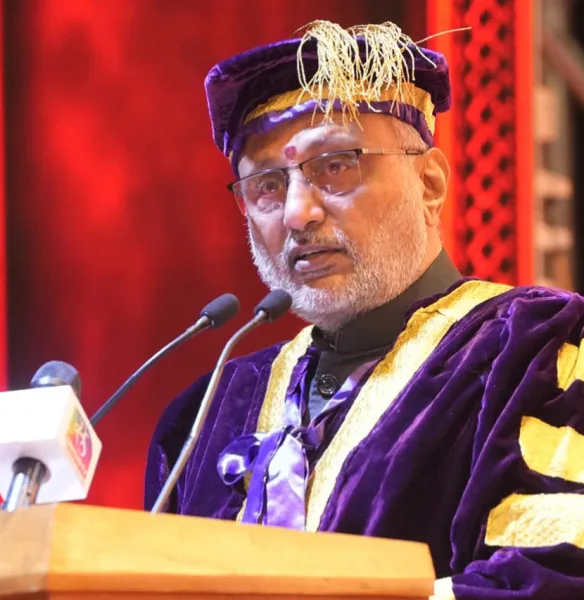
Union Minister of State for Science and Technology Dr. Jitendra Singh has said nanomedicine will drive the next generation of precision medicine and personalised healthcare, with India’s indigenous research carrying global potential.
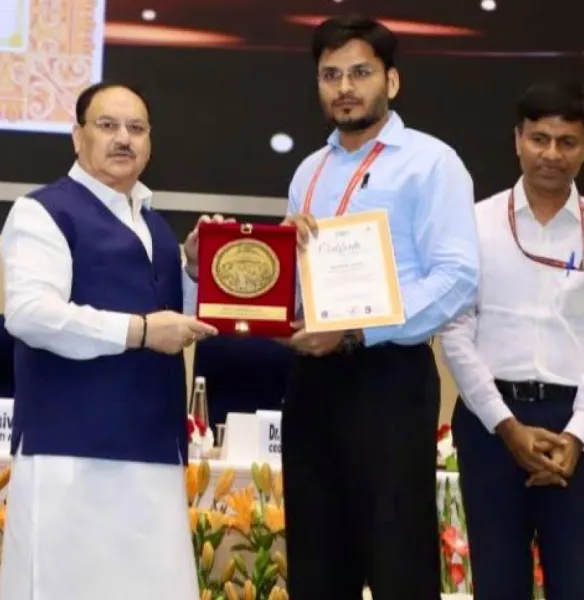
Speaking at a recent event in New Delhi, Singh said nanomedicine has the potential to make healthcare increasingly precise and personalised by enabling interventions at the cellular level. He said future medicine would increasingly involve individualised treatment based on factors including a patient’s genetic profile, lifestyle, dietary habits and environmental factors.
Singh explained that nanomedicine involves applying nanotechnology in medicine, working with structures at the scale of one billionth of a metre. He said nanotechnology could help develop different treatment approaches for patients suffering from the same disease based on individual factors.
The Minister also highlighted the Government’s support for nanomedicine research. He said the Department of Biotechnology is supporting 210 R&D projects in nanomedicine with financial support of ₹174 crore.
The projects cover areas including targeted drug delivery, cancer nanomedicine, infectious disease nanomedicine, nucleic acid and vaccine delivery, nano diagnostics and imaging, regenerative medicine and wound healing, as well as nanotoxicology and regulatory science.
Among the research areas highlighted by Singh were oral insulin nanoparticles, nanobots for breast cancer, precision nanoinjection and targeted breast cancer nanomedicine. He said advances in nanotechnology could provide new possibilities for addressing challenges associated with oral insulin, including absorption and digestive enzymes.
Singh also stressed that advanced technologies should complement clinical practice. He said technologies such as Artificial Intelligence and nanotechnology should “complement the clinical sense of doctors rather than compromise it.”
Calling for changes in medical teaching in response to technological advances, Singh said foundational clinical skills should continue to remain relevant even as technological tools become increasingly sophisticated.
He further said India’s nanomedicine ecosystem is expanding beyond laboratory research, with support extending to StartUps, infrastructure, technology development and regulatory facilitation. Through BIRAC, emerging biotechnology enterprises can access programmes including Biotechnology Ignition Grant, Promoting Academic Research Conversion to Enterprise, Small Business Innovation Research Initiative and Biotechnology Industry Partnership Programme.
Singh also said India has established a regulatory framework for nanopharmaceuticals through guidelines jointly developed by DBT, ICMR and CDSCO to evaluate the safety, quality and efficacy of nanopharmaceutical products.
He said India has the scientific and institutional capabilities to contribute to the development of future healthcare solutions, with its expanding research base, government support and growing industry engagement providing a foundation for developing solutions in nanomedicine.
Prof. Roger D. Kornberg, Nobel Laureate and Stanford University, said nanomedicine has significant potential for the future of healthcare. He said the field offers “the promise of precision, delivering the right amount of treatment to the right place at the right time,” with applications spanning drug delivery, diagnosis, imaging and regenerative medicine.
Stay tuned for more such updates on Digital Health News
Follow us