




Bihar Unveils AI-Driven Roadmap to Strengthen Public Healthcare & Emergency Services

The proposed AI-driven initiative will cover several areas, spanning medical diagnostics, medicine supply management, telemedicine, hospital bed monitoring, and emergency response services.
In a major step to strengthen technology-driven healthcare, the Bihar government has outlined plans to integrate AI across its public healthcare delivery system.
The proposed AI-driven initiative will cover several critical areas, spanning medical diagnostics, medicine supply management, telemedicine, hospital bed monitoring, and emergency response services.
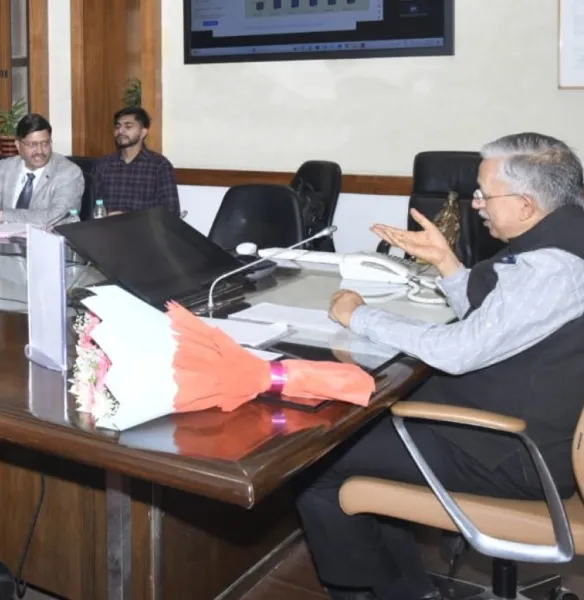
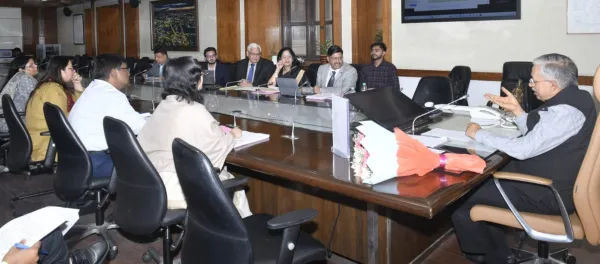
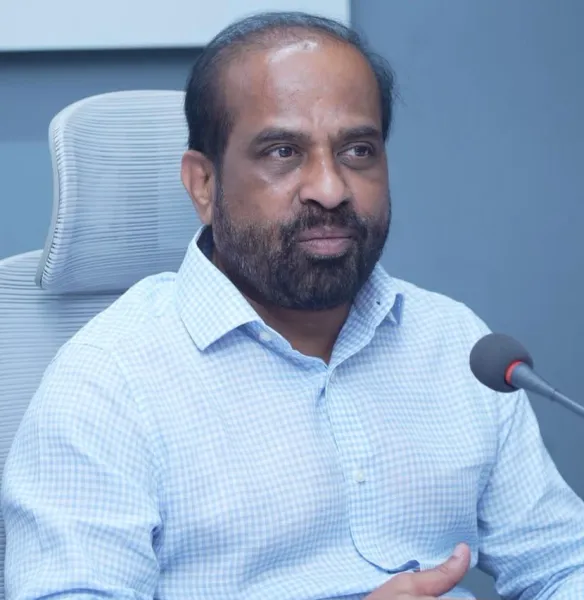
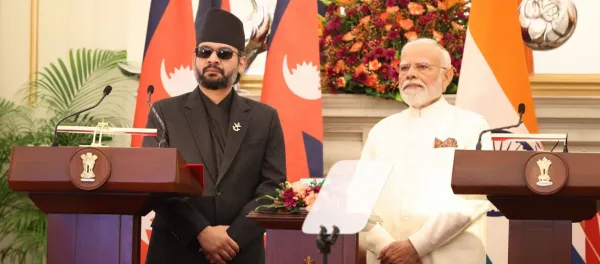
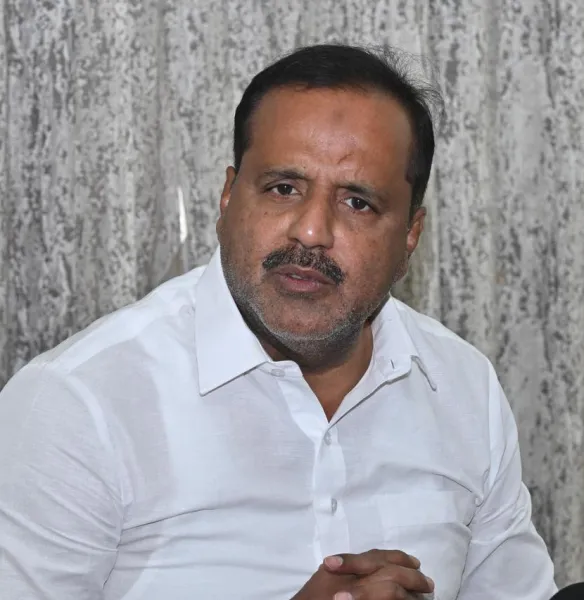
Outlining the roadmap during a recent event, Bihar Health Minister Nishant Kumar said, “AI is a defining feature of today’s changing world and a necessity for the future. Alongside its personal use, we also need to pay serious attention to its institutional use. In this direction, work is underway in Bihar to explore the possibilities of using AI systematically and effectively to improve healthcare services.”
The initiative aims to bridge the urban-rural divide by connecting existing healthcare infrastructure with digital technologies.
Key Focus Areas
Under the proposed roadmap, the state plans to use AI to analyse X-rays, CT scans, MRI and ultrasound images, enabling healthcare professionals to identify preliminary indicators of diseases such as tuberculosis and cancer.
Health Minister Nishant Kumar also called for an audit of diagnostic equipment available at medical college hospitals and district hospitals to assess their availability, utilisation and operational status.
Additionally, the state plans to use barcodes, QR codes, batch numbers and clinical data to track medicine supplies, verify authenticity, monitor doctor availability and detect distribution irregularities.
“In Bihar, efforts are underway to better integrate digital systems such as BHAVYA, BHAVYA Lite and mASHA, analyse data, and make the Smart Ambulance, Patient Referral System and Real-Time Bed Management more effective,” he added.
To improve access to specialist healthcare in rural areas, the government plans to strengthen AI-enabled telemedicine services and clinical decision support. The initiative is expected to connect patients at rural health centres with specialist doctors, reducing the need for economically weaker families to travel to major cities for medical consultations.
Another major focus is the development of a digital hospital bed management system providing real-time information about vacant and occupied beds in general wards, Intensive Care Units (ICUs), High Dependency Units (HDUs), and other critical care facilities.
The system is intended to help patients and referring hospitals identify facilities with available beds before transferring critically ill patients, and reduce delays in accessing emergency care.
Further, as part of its emergency healthcare plans, the state is exploring a pilot project involving two to four AI-enabled smart ambulances equipped with digital ECG machines, blood pressure monitors, pulse oximeters, and GPS-based tracking systems.
The AI-enabled systems are intended to record patient vitals, enable real-time data sharing and video consultations with specialists, and transmit medical information to hospitals ahead of arrival to support timely treatment.
The Health Minister further called for integrating the ambulances with trauma centres and super-speciality hospitals to identify suitable facilities based on bed availability, ICU capacity, imaging services and specialist availability.
The latest development builds on the State’s ongoing efforts to improve emergency response, patient tracking and coordination across public healthcare facilities through technology.
Earlier, Health Minister Nishant Kumar directed officials to integrate referrals digitally and bring the 102 and 108 ambulance services under a unified emergency network to reduce delays in critical care and strengthen the patient referral system.
Stay tuned for more such updates on Digital Health News
Follow us