


India’s Global Pharma Innovation Push Gains Momentum, Says DCGI

Raghuvanshi described India as the "pharma innovation foundry of the world" and pointed to the industry's double-digit growth.
India is strengthening its position as a global pharmaceutical innovation hub, with DCGI Dr Rajeev Singh Raghuvanshi highlighting the need to combine manufacturing capabilities with scientific research, advanced technologies and stronger quality management systems.
He has called on pharmaceutical companies to adapt to evolving international regulatory expectations to improve competitiveness and support innovation-led growth.
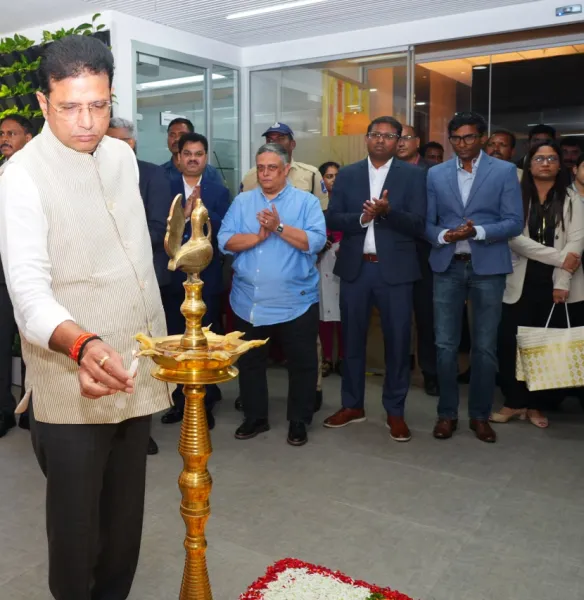
Speaking at a recent pharmaceutical industry gathering, Raghuvanshi described India as the "pharma innovation foundry of the world".
He pointed to the industry's double-digit growth and highlighted the role of the Central Drugs Standard Control Organization in supporting its development. His remarks underscored the importance of strengthening scientific capabilities alongside manufacturing capacity to advance India's global pharma innovation ambitions.
Deputy Drugs Controller (India) Dr Santosh Indraksha also highlighted India's potential to become a global leader in innovation-led drug discovery, research and development. He stressed the need for companies to invest in advanced technologies, strengthen quality systems and develop the technical expertise required to meet international regulatory requirements.
Indian Drug Manufacturers Association National President Bharat Shah emphasised that quality remains central to the industry's international standing. He called for continuous improvements in quality management and greater integration of research and innovation into pharmaceutical manufacturing.
IDMA Secretary General Dr T. S. Parmar highlighted the growing responsibilities of pharmaceutical analysts in maintaining medicine quality, consistency and safety. He noted the need for professionals to develop stronger scientific and problem-solving capabilities as manufacturing becomes increasingly technology-driven.
The discussions also highlighted the potential of AI, digital technologies and data-driven systems to improve pharmaceutical analysis, operational efficiency and the identification of quality deviations. However, adopting these technologies requires appropriate validation, governance and regulatory oversight to ensure reliable results and maintain data integrity.
Constance Richard Math, deputy country director of the US Food and Drug Administration India Office, emphasised the importance of trusted data, resilient supply chains and regulatory cooperation. Her remarks highlighted the need to move beyond a compliance-focused approach towards building organisational resilience.
Professor Dr Jyeshtharaj Bhalchandra Joshi, Chancellor of the Institute of Chemical Technology, Mumbai, highlighted the role of scientific research and indigenous technology development. He noted that designing and manufacturing reactors in India at a fraction of the cost, without compromising quality or process efficiency, could help reduce technology dependence and improve manufacturing capabilities.
For India to strengthen its position as a global pharma innovation hub, manufacturers will need to align technological adoption with robust quality systems, skilled professionals and evolving international standards.
Stay tuned for more such updates on Digital Health News
Follow us