BMC Plans AI-Powered Diagnostics, Smart OPDs & Online Bed Management for Mumbai Hospitals

The civic body also plans to introduce 24×7 dispensaries on a pilot basis in every municipal ward to improve access to essential healthcare services.
The Brihanmumbai Municipal Corporation (BMC) has outlined plans to modernise Mumbai's public healthcare system through the adoption of artificial intelligence (AI), digital technologies, and hospital infrastructure upgrades.
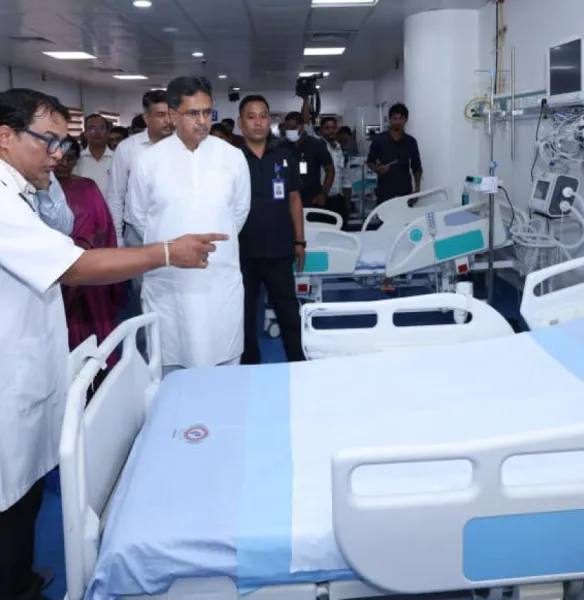
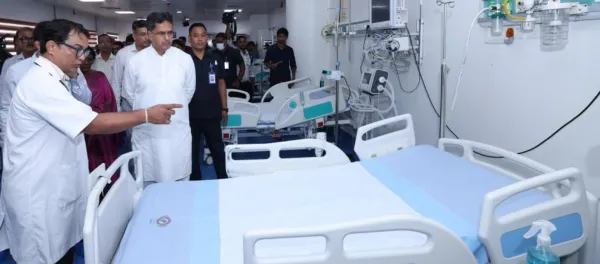
Through the initiative, BMC plans to introduce AI-powered diagnostic tools, smart outpatient departments (OPDs), online hospital bed allocation, and digitally enabled hospital workflows.
The proposed reforms were recently reviewed by BMC commissioner Ashwini Bhide at a meeting of senior health officials.
The initiatives are aimed at improving patient experience, strengthening hospital operations, and enhancing the quality of care across the city's civic healthcare network.
In the first phase, the BMC seeks to introduce smart digital OPDs to reduce waiting times and streamline patient registration and consultations.
The plan also includes strengthening the hospital management information system to improve hospital administration.
In addition, the civic body plans to launch a central dashboard to monitor hospital services.
The first phase will also focus on addressing workforce shortages through a recruitment drive to fill vacant medical positions.
To improve access to government healthcare schemes, insurance help desks will be established in major civic hospitals to assist patients with enrolment and claims.
In the second phase, BMC aims to roll out a pilot online bed allocation system that will allow patients on waiting lists to be allotted vacant beds across civic hospitals.
Further, the civic body also plans to introduce 24×7 dispensaries on a pilot basis in every municipal ward to improve access to essential healthcare services.
Artificial intelligence will be introduced in radiology, pathology and hospital resource management, while hospital staff will undergo training in soft skills, medical ethics and patient care.
In addition, BMC plans to explore public-private partnerships to provide financial assistance of up to 50% to needy patients.
Further, the third phase will focus on developing quality standards through NABH accreditation, national and international quality certifications, disability-friendly healthcare facilities and wider adoption of digital health services.
The latest roadmap builds on BMC's ongoing efforts to digitise public healthcare. Earlier this year, the civic body announced plans to implement a real-time hospital bed availability dashboard across its municipal hospital network, aimed at helping patients identify vacant beds more quickly during emergencies and improving hospital admission management.
Stay tuned for more such updates on Digital Health News
Follow us